
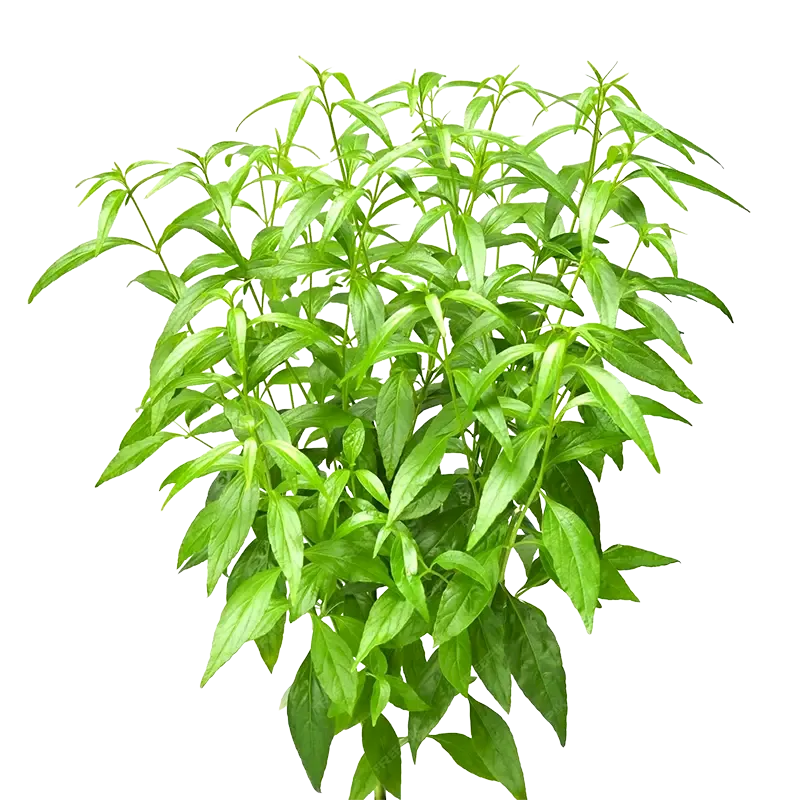
Introductionمقدّمة
Chiretta, scientifically known as Swertia chirata, is an herbaceous plant belonging to the Gentianaceae family. It is native to the Himalayan region and is recognized for its potential medicinal properties. Chiretta has a long history of use in traditional Ayurvedic and folk medicine.نبات الشيريتا، المعروف علميًا باسم Swertia chirata، هو نبات عشبي ينتمي إلى الفصيلة الجنطيانية. موطنه الأصلي منطقة جبال الهيمالايا، ويُعرف بخصائصه الطبية المحتملة. للشيريتا تاريخ طويل من الاستخدام في الطب الأيورفيدي والشعبي التقليدي.
Categoryالفئة
• Bitter and digestive stimulant
• Potential febrifuge (fever-reducing)
• Traditional use for digestive disorders and fevers• مُرّ ومُحفّز للهضم
• خافض للحرارة
• يُستخدم تقليديًا لعلاج اضطرابات الجهاز الهضمي والحمى
Habitatالموطن
Chiretta typically grows in the alpine meadows and subalpine regions of the Himalayas. It is also cultivated in some regions for its medicinal use. The aerial parts of the plant, particularly the leaves and roots, are used for their potential therapeutic benefits. ينمو نبات الشيريتا عادةً في المروج الألبية والمناطق شبه الألبية في جبال الهيمالايا. كما يُزرع في بعض المناطق لاستخدامه في الطب الشعبي. وتُستخدم الأجزاء الهوائية من النبات، وخاصة الأوراق والجذور، لما لها من فوائد علاجية محتملة.
Parts usedالأجزاء المستخدمة
• Aerial parts (leaves, roots) • الأجزاء الهوائية (الأوراق، الجذور)
Key constituentsالمكوّنات الفعّالة
• Seco‑iridoid and iridoid glycosides: amarogentin (one of the most bitter natural compounds known), amaroswerin, swertiamarin, sweroside, gentiopicroside, chiratin, ophelic acid and chiratogenin, which largely account for the intense bitterness and many pharmacological activities.
• Xanthones: mangiferin, bellidifolin, swertianin, swerchirin and multiple tetra‑oxygenated xanthones, considered among the main active secondary metabolites in aerial parts and roots.
• Other constituents: flavonoids, simple phenolics, triterpenoids (oleanolic, ursolic acids), alkaloids, saponins, tannins, steroids and fatty acids (e.g., stearic, oleic, palmitic) in smaller but significant amounts.• جليكوسيدات سيكو-إيريدويد وإيريدويد: أماروجنتين (أحد أكثر المركبات الطبيعية مرارةً المعروفة)، أماروسويرين، سويرتيامارين، سويروسيد، جنتيوبيكروسيد، شيراتين، حمض أوفيليك، وشيراتوجينين، وهي المسؤولة بشكل كبير عن المرارة الشديدة والعديد من الأنشطة الدوائية.
• زانثونات: مانجيفيرين، بيليديفولين، سويرتيانين، سويرتشيرين، والعديد من الزانثونات رباعية الأكسجين، والتي تُعتبر من بين المستقلبات الثانوية النشطة الرئيسية في الأجزاء الهوائية والجذور.
• مكونات أخرى: فلافونويدات، فينولات بسيطة، ترايتيربينويدات (حمض الأولينوليك، حمض الأورسوليك)، قلويدات، صابونينات، تانينات، ستيرويدات، وأحماض دهنية (مثل حمض الستياريك، حمض الأوليك، حمض البالميتيك) بكميات أقل ولكنها ذات دلالة.
Researchالأبحاث
Research on Chiretta has explored its chemical constituents, including bitter seco-iridoid glycosides (amarogentin, swertiamarin, sweroside) and xanthones such as mangiferin and swerchirin.استكشفت الأبحاث على نبات الشيريتا مكوناته الكيميائية، بما في ذلك جليكوسيدات السيكو-إيريدويد المُرّة (أماروجنتين، سويرتيامارين، سويروسيد) والزانثونات مثل المانجيفيرين والسويرتشيرين.
Published researchأبحاث منشورة
↗ Swertia chirayita: A comprehensive review on traditional uses, phytochemistry, quality assessment and pharmacology↗ Swertia chirata: A Comprehensive Review with Recent Advances↗ Evaluation of antioxidant, antibacterial, and antidiabetic potential of two traditional medicinal plants of India: Swertia cordata and Swertia chirayitaTraditional useالاستخدام التقليدي
The aerial parts of Chiretta, including the leaves and roots, are used for their potential therapeutic benefits. It is known for its traditional use in promoting digestion and reducing fevers. تُستخدم الأجزاء الهوائية من نبات الشيريتا، بما في ذلك الأوراق والجذور، لفوائدها العلاجية المحتملة. وهو معروف باستخدامه التقليدي في تحسين الهضم وخفض الحرارة.
Current useالاستخدام الحالي
Chiretta can be prepared as herbal infusions, tinctures, or used in traditional remedies. Its uses may vary based on traditional knowledge and desired applications. It is traditionally used for digestive disorders and as a febrifuge. يمكن تحضير نبات الشيريتا على شكل مشروبات عشبية أو صبغات، أو استخدامه في العلاجات التقليدية. وتختلف استخداماته باختلاف المعارف التقليدية والاستخدامات المرغوبة. ويُستخدم تقليديًا لعلاج اضطرابات الجهاز الهضمي وخافض الحرارة.
Preparationsالتحضيرات
Infusion, Tinctureخلاصة سائلة, منقوع
Used for these conditionsيُستخدم لهذه الحالات
Adult dosageجرعة البالغين
Dosage recommendations for Chiretta may vary based on the specific product or remedy. It is typically used in appropriate quantities for the intended purpose. Consult with a qualified herbalist or healthcare provider for guidance on therapeutic dosages.قد تختلف توصيات جرعات شيريتا باختلاف المنتج أو العلاج المحدد. وعادةً ما تُستخدم بكميات مناسبة للغرض المقصود. استشر أخصائي أعشاب مؤهل أو مقدم رعاية صحية للحصول على إرشادات بشأن الجرعات العلاجية.
Child dosageجرعة الأطفال
Dosages for Chiretta may vary depending on the intended use and preparation form. It is advisable to consult with a qualified herbalist or healthcare provider for guidance on dosages and usage. قد تختلف جرعات نبات الشيريتا باختلاف الاستخدام المقصود وطريقة التحضير. يُنصح باستشارة أخصائي أعشاب مؤهل أو مقدم رعاية صحية للحصول على إرشادات بشأن الجرعات وطريقة الاستخدام.
Cautionتحذيرات
Chiretta is generally considered safe when used appropriately. However, as with any herbal remedy, individual reactions may vary. It is advisable to consult with a qualified healthcare provider if you have any underlying health conditions or are taking medications. يُعتبر نبات الشيريتا آمناً بشكل عام عند استخدامه بالطريقة الصحيحة. مع ذلك، وكما هو الحال مع أي علاج عشبي، قد تختلف ردود فعل الأفراد. يُنصح باستشارة طبيب مختص إذا كنت تعاني من أي مشاكل صحية أو تتناول أدوية.