
Introductionمقدّمة
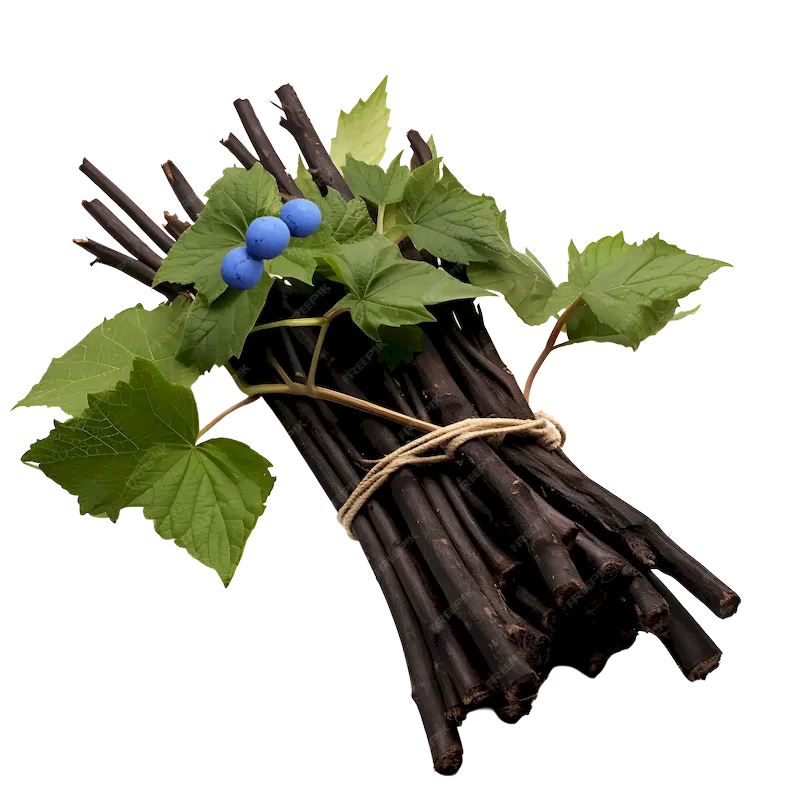
Blue Cohosh, scientifically known as Caulophyllum thalictroides, is a perennial herbaceous plant native to eastern North America. It belongs to the Berberidaceae family and is characterized by its blue-colored berries and fern-like leaves. Blue Cohosh has a history of use in traditional herbal medicine, particularly by Indigenous peoples and early American settlers. الكوهوش الأزرق، المعروف علميًا باسم Caulophyllum thalictroides، هو نبات عشبي معمر موطنه الأصلي شرق أمريكا الشمالية. ينتمي إلى الفصيلة البرباريسية، ويتميز بثماره الزرقاء وأوراقه الشبيهة بأوراق السرخس. للكوهوش الأزرق تاريخ طويل من الاستخدام في الطب العشبي التقليدي، لا سيما من قبل السكان الأصليين والمستوطنين الأمريكيين الأوائل.
Categoryالفئة
• Uterine tonic
• Potential uterine stimulant
• Traditional use for menstrual and childbirth support• منشط للرحم
• محفز محتمل للرحم
• الاستخدام التقليدي لدعم الدورة الشهرية والولادة
Habitatالموطن
Blue Cohosh can be found in deciduous forests and woodland areas with moist, well-drained soil. It is cultivated for its rhizomes and roots, which are used for their potential medicinal properties. Blue Cohosh contains various alkaloids, including caulophylline, which contribute to its traditional use in women's health and reproductive support.ينمو نبات الكوهوش الأزرق في الغابات النفضية والمناطق الحرجية ذات التربة الرطبة جيدة التصريف. ويُزرع من أجل جذوره وساقه، التي تُستخدم لخصائصها الطبية المحتملة. يحتوي الكوهوش الأزرق على قلويدات متنوعة، بما في ذلك الكولوفيلين، مما يُسهم في استخدامه التقليدي في صحة المرأة ودعم الإنجاب.
Parts usedالأجزاء المستخدمة
• Rhizomes
• Roots• جذور زاحفة
• جذور
Key constituentsالمكوّنات الفعّالة
• Alkaloids (caulophylline, methylcytisine, anagyrine — primary uterotonic, antispasmodic; caution: toxic at high doses)
• Saponins (caulosaponin, caulosides A-G — uterotonic, anti-inflammatory, antifungal)
• Tannins (~5–10% — astringent, antimicrobial)
• Flavonoids (baptisin, magnoflorine — antioxidant, anti-inflammatory)
• Phenolic compounds (caffeic acid — antioxidant)
• Resin (~3–5% — emmenagogue)
• Phytosterols (beta-sitosterol — anti-inflammatory)
• Minerals (calcium, iron, magnesium — nutritive)• قلويدات (كولوفيلين، ميثيل سيتيسين، أناجيرين - محفز رئيسي لانقباض الرحم، مضاد للتشنج؛ تحذير: سام عند الجرعات العالية)
• صابونينات (كولوسابونين، كولوسيدات AG - محفز لانقباض الرحم، مضاد للالتهابات، مضاد للفطريات)
• تانينات (حوالي 5-10% - قابض، مضاد للميكروبات)
• فلافونويدات (بابتيسين، ماغنوفلورين - مضاد للأكسدة، مضاد للالتهابات)
• مركبات فينولية (حمض الكافيين - مضاد للأكسدة)
• راتنج (حوالي 3-5% - محفز للطمث)
• فيتوستيرولات (بيتا سيتوستيرول - مضاد للالتهابات)
• معادن (كالسيوم، حديد، مغنيسيوم - مغذية)
Researchالأبحاث
Research on Blue Cohosh has primarily focused on its alkaloid content, including caulophylline, and its potential effects on the uterus. It is traditionally used as a uterine tonic and has historical use in supporting women's health during menstruation and childbirth.ركزت الأبحاث حول نبات الكوهوش الأزرق بشكل أساسي على محتواه من القلويدات، بما في ذلك الكولوفيلين، وتأثيراته المحتملة على الرحم. ويُستخدم تقليديًا كمنشط للرحم، وله تاريخ طويل في دعم صحة المرأة أثناء الحيض والولادة.
Traditional useالاستخدام التقليدي
Blue Cohosh is traditionally used in herbal medicine, particularly for women's health. It is valued as a uterine tonic and has been used historically to support menstrual regularity and during labor. The rhizomes and roots are the parts of the plant used for their potential medicinal benefits. يُستخدم نبات الكوهوش الأزرق تقليديًا في الطب العشبي، وخاصةً لصحة المرأة. ويُعتبر مُقوّيًا للرحم، وقد استُخدم تاريخيًا لدعم انتظام الدورة الشهرية وأثناء المخاض. وتُستخدم جذوره وسيقانه لفوائده الطبية المحتملة.
Current useالاستخدام الحالي
Blue Cohosh can be prepared as tinctures, herbal infusions, or used in traditional remedies. It is primarily valued for its potential to support women's health, particularly during menstruation and childbirth. يمكن تحضير نبات الكوهوش الأزرق على شكل صبغات أو مشروبات عشبية، أو استخدامه في العلاجات التقليدية. ويُقدّر هذا النبات بشكل أساسي لقدرته على دعم صحة المرأة، وخاصة أثناء الحيض والولادة.
Preparationsالتحضيرات
Infusion, Tinctureخلاصة سائلة, منقوع
Used for these conditionsيُستخدم لهذه الحالات
Adult dosageجرعة البالغين
Dosages for Blue Cohosh can vary based on individual needs and the specific product or remedy used. Consult with a qualified herbalist or healthcare provider for guidance on appropriate dosages for adults. تختلف جرعات نبات الكوهوش الأزرق باختلاف الاحتياجات الفردية ونوع المنتج أو العلاج المستخدم. استشر أخصائي أعشاب مؤهلاً أو مقدم رعاية صحية للحصول على إرشادات حول الجرعات المناسبة للبالغين.
Child dosageجرعة الأطفال
Not recommended for children. Blue cohosh contains cardiotoxic nicotine-like alkaloids and has no established safe pediatric dose.لا يُنصح به للأطفال. يحتوي الكوهوش الأزرق على قلويدات شبيهة بالنيكوتين سامة للقلب وليس له جرعة آمنة مثبتة للأطفال.
Cautionتحذيرات
Blue cohosh is potentially toxic. It contains nicotine-like alkaloids (methylcytisine) that can cause tachycardia, high blood pressure and chest pain, and the teratogen anagyrine. It must NOT be used to induce labour: cases of neonatal heart failure, myocardial infarction and stroke have been reported. The berries and seeds are poisonous if eaten. Do not use in pregnancy, lactation, or in children, and use only under qualified supervision.قد يكون الكوهوش الأزرق سامًا. يحتوي على قلويدات شبيهة بالنيكوتين (ميثيل سيتيسين) قد تسبب تسارع القلب وارتفاع ضغط الدم وألم الصدر، وعلى مادة الأناجيرين المشوّهة للأجنة. يجب عدم استخدامه لتحفيز المخاض: فقد سُجّلت حالات فشل قلبي واحتشاء عضلة القلب وسكتة دماغية لدى حديثي الولادة. الثمار والبذور سامة عند تناولها. يُمنع استخدامه أثناء الحمل والرضاعة وللأطفال، ولا يُستخدم إلا تحت إشراف مختص.
Pregnancy & nursingالحمل والرضاعة
Avoid during Pregnancy/Nursingيمنع أثناء الحمل والرضاعة