
Introductionمقدّمة
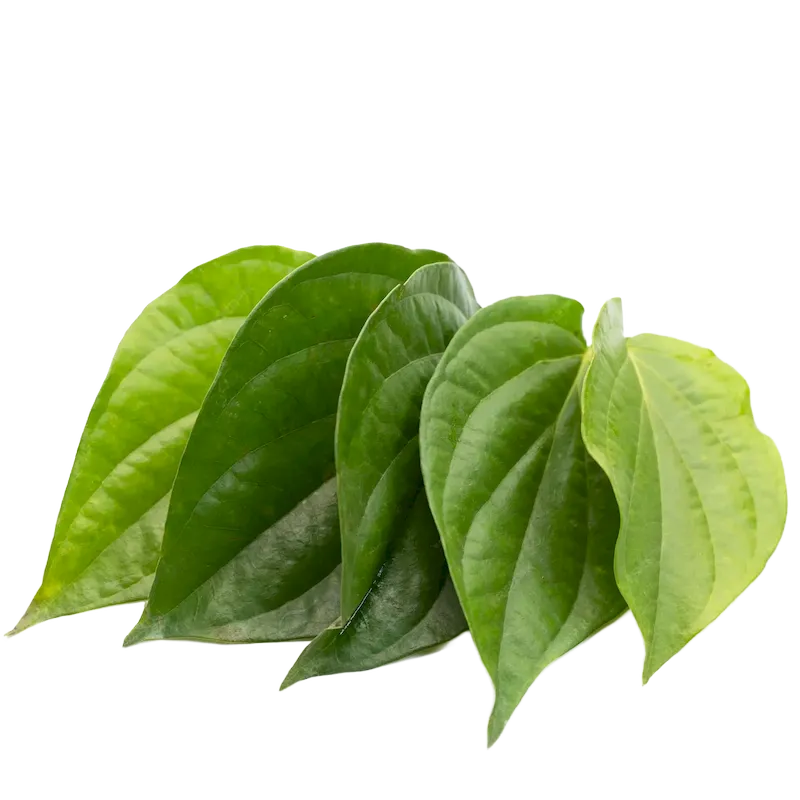
Betel, scientifically known as Piper betle, is a climbing evergreen vine native to Southeast Asia. It belongs to the Piperaceae family and is famous for its heart-shaped leaves and potential medicinal properties. Betel has a long history of use in traditional medicine and cultural rituals. نبات الفوفل، المعروف علميًا باسم بايبر بيتل، هو نبات متسلق دائم الخضرة موطنه الأصلي جنوب شرق آسيا. ينتمي إلى الفصيلة الفلفلية (Piperaceae) ويشتهر بأوراقه القلبية الشكل وخصائصه الطبية المحتملة. للفوفل تاريخ طويل من الاستخدام في الطب التقليدي والطقوس الثقافية.
Categoryالفئة
• Potential antimicrobial
• Potential anti-inflammatory
• Traditional use for oral health and digestion• مضاد محتمل للميكروبات
• مضاد محتمل للالتهابات
• الاستخدام التقليدي لصحة الفم والهضم
Habitatالموطن
Betel vines are cultivated in tropical and subtropical regions of Southeast Asia, where they require a warm and humid climate to thrive. The leaves of the Betel plant are harvested for their potential therapeutic benefits. Betel is traditionally used in herbal remedies and cultural practices and continues to be studied for its potential health effects.تُزرع كروم التنبول في المناطق الاستوائية وشبه الاستوائية في جنوب شرق آسيا، حيث تحتاج إلى مناخ دافئ ورطب لتنمو. تُحصد أوراق نبات التنبول لفوائدها العلاجية المحتملة. يُستخدم التنبول تقليديًا في العلاجات العشبية والممارسات الثقافية، ولا تزال الدراسات جارية حول آثاره الصحية المحتملة.
Parts usedالأجزاء المستخدمة
• Leaves • أوراق
Key constituentsالمكوّنات الفعّالة
• Phenylpropanoid / phenolic “betel” markers: hydroxychavicol (often a major leaf phenolic), chavicol, chavibetol, allylpyrocatechol
• Essential-oil phenols/phenylpropanoids: eugenol, methyl eugenol, safrole, estragole (levels vary strongly by cultivar/region)
• Terpenes (common in leaf oil): β‑caryophyllene, α‑humulene, 1,8‑cineole, limonene, α‑pinene/β‑pinene
• Phenolic acids + flavonoids (non-volatile fraction): cinnamoyl derivatives and flavonoid derivatives including apigenin- and luteolin-type compounds reported in leaf profiles
• Other reported classes (screening-level): tannins, saponins, steroids/sterols• مؤشرات فينيل بروبانويد/فينولية "للتنبول": هيدروكسي شافيكول (غالبًا ما يكون فينولًا رئيسيًا في الأوراق)، شافيكول، شافيبيتول، أليل بيروكاتيكول
• فينولات/فينيل بروبانويدات الزيت العطري: يوجينول، ميثيل يوجينول، سافرول، إستراغول (تختلف مستوياتها اختلافًا كبيرًا حسب الصنف/المنطقة)
• تربينات (شائعة في زيت الأوراق): بيتا-كاريوفيلين، ألفا-هيومولين، 1،8-سينول، ليمونين، ألفا-بينين/بيتا-بينين
• أحماض فينولية + فلافونويدات (جزء غير متطاير): مشتقات سينامويل ومشتقات فلافونويد بما في ذلك مركبات من نوع أبيجينين ولوتولين تم الإبلاغ عنها في ملامح الأوراق
• فئات أخرى تم الإبلاغ عنها (مستوى الفحص): تانينات، صابونينات، ستيرويدات/ستيرولات
Researchالأبحاث
Research on Betel has focused on its key constituents, including phenols like hydroxychavicol, tannins, and essential oils. It is traditionally used for its antimicrobial, anti-inflammatory, and oral health benefits and has been studied for its therapeutic effects. ركزت الأبحاث على نبات التنبول على مكوناته الرئيسية، بما في ذلك الفينولات مثل هيدروكسي شافيكول، والتانينات، والزيوت العطرية. ويُستخدم تقليدياً لفوائده المضادة للميكروبات والالتهابات، فضلاً عن فوائده لصحة الفم، وقد دُرست آثاره العلاجية.
Traditional useالاستخدام التقليدي
Betel leaves are used in various traditional practices and herbal medicine. The leaves of the Piper betle plant are employed for their potential health-enhancing properties. Betel can be prepared as herbal infusions, chewed, or used in cultural practices. It is traditionally used for oral health, digestion, and other applications. تُستخدم أوراق التنبول في العديد من الممارسات التقليدية والطب العشبي. وتُستخدم أوراق نبات الفلفل التنبول لخصائصها الصحية المحتملة. يمكن تحضير التنبول على شكل مشروب عشبي، أو مضغه، أو استخدامه في الممارسات الثقافية. ويُستخدم تقليديًا لصحة الفم والهضم، ولأغراض أخرى.
Current useالاستخدام الحالي
Betel leaves are the primary part used and can be processed to create herbal infusions, chewed, or used in cultural practices. Betel is traditionally used for oral health, digestion, and other applications. تُعدّ أوراق التنبول الجزء الأساسي المستخدم، ويمكن معالجتها لتحضير مشروبات عشبية، أو مضغها، أو استخدامها في الممارسات الثقافية. ويُستخدم التنبول تقليديًا لصحة الفم والهضم، ولأغراض أخرى.
Preparationsالتحضيرات
Infusionمنقوع
Used for these conditionsيُستخدم لهذه الحالات
Adult dosageجرعة البالغين
Dosage recommendations for Betel may vary depending on the intended use and preparation form. It is typically used in appropriate quantities for oral health, digestion, and other specific applications. Consult with a qualified herbalist or healthcare provider for guidance on dosages and usage.قد تختلف توصيات جرعات التنبول باختلاف الاستخدام المقصود وطريقة التحضير. يُستخدم عادةً بكميات مناسبة لصحة الفم والهضم، ولأغراض أخرى محددة. استشر أخصائي أعشاب مؤهلاً أو مقدم رعاية صحية للحصول على إرشادات حول الجرعات وطريقة الاستخدام.
Child dosageجرعة الأطفال
Dosage recommendations for Betel may vary depending on the intended use and preparation form. It is typically used in appropriate quantities for oral health, digestion, and other specific applications. Consult with a qualified herbalist or healthcare provider for guidance on dosages and usage.قد تختلف توصيات جرعات التنبول باختلاف الاستخدام المقصود وطريقة التحضير. يُستخدم عادةً بكميات مناسبة لصحة الفم والهضم، ولأغراض أخرى محددة. استشر أخصائي أعشاب مؤهلاً أو مقدم رعاية صحية للحصول على إرشادات حول الجرعات وطريقة الاستخدام.
Cautionتحذيرات
Betel is generally considered safe when used as directed in traditional herbal preparations and cultural practices. However, long-term and excessive use of Betel, particularly in the form of chewing with areca nut and slaked lime, is associated with health risks, including oral health issues and potential carcinogenic effects. Exercise caution and moderation when using Betel, and be aware of potential risks associated with its use. يُعتبر التنبول آمناً بشكل عام عند استخدامه وفقاً للإرشادات في المستحضرات العشبية التقليدية والممارسات الثقافية. مع ذلك، يرتبط الاستخدام المفرط والطويل الأمد للتنبول، وخاصةً مضغه مع جوز الأريكا والجير المطفأ، بمخاطر صحية، بما في ذلك مشاكل صحة الفم وآثار مسرطنة محتملة. لذا، يُنصح بتوخي الحذر والاعتدال عند استخدام التنبول، والانتباه إلى المخاطر المحتملة المرتبطة باستخدامه.
Pregnancy & nursingالحمل والرضاعة
Avoid medicinal/internal use of betel leaf during pregnancy and breastfeeding. Betel leaf contains safrole and related phenylpropanoids, and betel/betel-quid use in pregnancy has been linked to adverse outcomes such as low birth weight.يُتجنّب الاستخدام الطبي/الداخلي لأوراق التنبول أثناء الحمل والرضاعة. تحتوي أوراق التنبول على السافرول ومركبات فينيل بروبانويد ذات صلة، وقد ارتبط استخدام التنبول/جوزة التنبول أثناء الحمل بنتائج ضارّة مثل انخفاض وزن المولود.