
Introductionمقدّمة
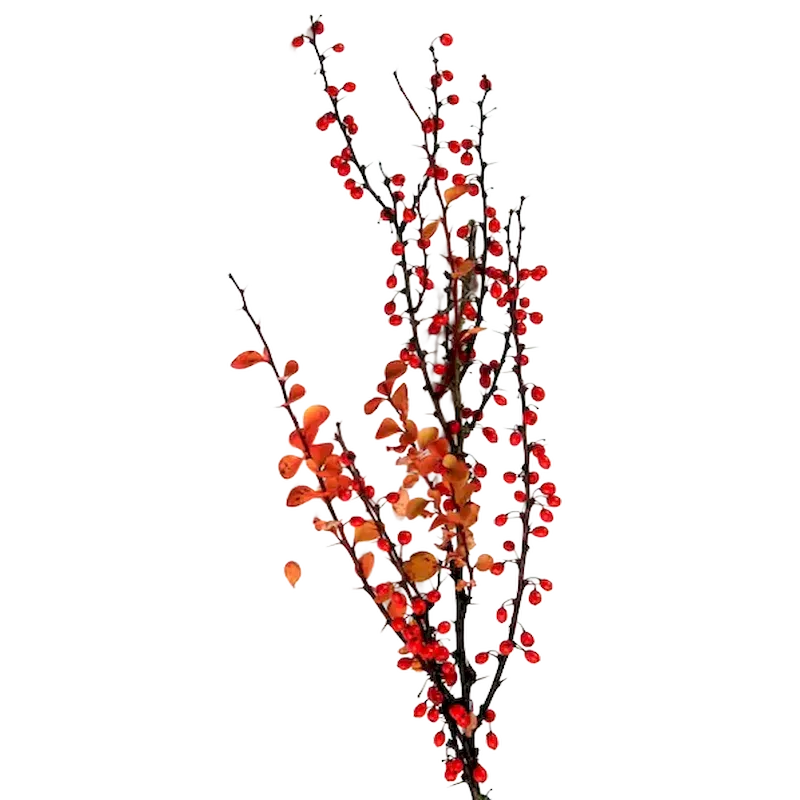
Barberry, scientifically known as Berberis vulgaris, is a deciduous shrub native to Europe, Asia, and North Africa. It is renowned for its tart, red berries and its historical use in traditional medicine for various health purposes. البرباريس، المعروف علمياً باسم Berberis vulgaris، هو شجيرة نفضية موطنها الأصلي أوروبا وآسيا وشمال إفريقيا. ويشتهر بثماره الحمراء اللاذعة واستخدامه التاريخي في الطب التقليدي لأغراض صحية متنوعة.
Categoryالفئة
• Digestive support
• Antimicrobial
• Potential anti-inflammatory• دعم الجهاز الهضمي
• مضاد للميكروبات
• مضاد محتمل للالتهابات
Habitatالموطن
Barberry is commonly found in woodlands, hedgerows, and scrublands in its native regions. It is also cultivated for its berries, bark, and roots, which contain alkaloids and other phytochemicals with potential medicinal properties. ينتشر نبات البرباريس بكثرة في الغابات والأسوار النباتية والأراضي الشجرية في موطنه الأصلي. كما يُزرع أيضاً من أجل ثماره ولحائه وجذوره، التي تحتوي على قلويدات ومواد كيميائية نباتية أخرى ذات خصائص طبية محتملة.
Parts usedالأجزاء المستخدمة
• Berries
• Bark
• Roots• التوت
• اللحاء
• الجذور
Key constituentsالمكوّنات الفعّالة
• Berberine (isoquinoline alkaloid ~2–5% bark/root — primary active; antimicrobial, antidiarrheal, antidiabetic, anti-inflammatory)
• Isoquinoline alkaloids (berbamine, oxyacanthine, palmatine — antimicrobial, antihypertensive)
• Organic acids (malic acid ~9%; citric acid — antioxidant, astringent in berries)
• Flavonoids (quercetin, rutin, kaempferol — antioxidant, anti-inflammatory)
• Tannins (~5–10% bark — astringent, antimicrobial)
• Vitamins (vitamin C ~36mg/100g berries — antioxidant, nutritive)
• Phenolic acids (caffeic acid, gallic acid — antioxidant)
• Minerals (calcium, potassium, iron, zinc — nutritive)• البربرين (قلويد إيزوكينولين ~2-5% من اللحاء/الجذر - المادة الفعالة الرئيسية؛ مضاد للميكروبات، مضاد للإسهال، مضاد لداء السكري، مضاد للالتهابات)
• قلويدات إيزوكينولين (بيربامين، أوكسياكانثين، بالماتين - مضاد للميكروبات، خافض لضغط الدم)
• الأحماض العضوية (حمض الماليك ~9%؛ حمض الستريك - مضاد للأكسدة، قابض في التوت)
• الفلافونويدات (كيرسيتين، روتين، كامفيرول - مضاد للأكسدة، مضاد للالتهابات)
• التانينات (~5-10% من اللحاء - قابض، مضاد للميكروبات)
• الفيتامينات (فيتامين ج ~36 ملغ/100 غرام من التوت - مضاد للأكسدة، مغذٍ)
• الأحماض الفينولية (حمض الكافيين، حمض الغاليك - مضاد للأكسدة)
• المعادن (الكالسيوم، البوتاسيوم، الحديد، الزنك - مغذٍ)
Researchالأبحاث
Research on Barberry has focused on its berberine content and its potential digestive, antimicrobial, and anti-inflammatory effects. It is traditionally used for digestive health and continues to be explored for various health benefits. ركزت الأبحاث على نبات البرباريس على محتواه من البربرين وتأثيراته المحتملة على الهضم، ومضادات الميكروبات، ومضادات الالتهاب. ويُستخدم تقليدياً لتحسين صحة الجهاز الهضمي، ولا يزال البحث جارياً لاستكشاف فوائده الصحية المتعددة.
Published researchأبحاث منشورة
↗ Barberry (Berberis vulgaris L.) is a safe approach for management of lipid parameters: A systematic review and meta-analysis of randomized controlled trials↗ Efficacy of Berberis vulgaris and Berberis integerrima on glycemic indices and weight profile in type 2 diabetic patients: A systematic review and meta-analysis of randomized controlled trials↗ The effect of barberry (Berberis vulgaris L.) supplementation on blood pressure: A systematic review and meta-analysis of the randomized controlled trialsTraditional useالاستخدام التقليدي
Barberry has a long history of use in traditional herbal medicine, particularly in European and Middle Eastern traditions. It is employed for digestive discomfort, immune support, and other health concerns. In modern herbalism, it is used for similar purposes.للبرباريس تاريخ طويل من الاستخدام في الطب العشبي التقليدي، لا سيما في التقاليد الأوروبية والشرق أوسطية. ويُستخدم لعلاج اضطرابات الجهاز الهضمي، ودعم المناعة، وغيرها من المشاكل الصحية. وفي الطب العشبي الحديث، يُستخدم لأغراض مماثلة.
Current useالاستخدام الحالي
Barberry berries, bark, and roots can be prepared as herbal tinctures, infusions, or used as ingredients in various herbal formulations for digestive health and other health purposes. It is primarily valued for its potential digestive benefits. يمكن تحضير ثمار البرباريس ولحائه وجذوره على شكل صبغات عشبية أو مشروبات، أو استخدامها كمكونات في تركيبات عشبية متنوعة لتحسين صحة الجهاز الهضمي وأغراض صحية أخرى. ويُقدّر البرباريس بشكل أساسي لفوائده المحتملة في تحسين الهضم.
Preparationsالتحضيرات
Infusion, Tincture, Whole (Fresh/Dried)خلاصة سائلة, كامل (طازج/مجفف), منقوع
Used for these conditionsيُستخدم لهذه الحالات
Adult dosageجرعة البالغين
Dosage recommendations for Barberry can vary depending on the specific product or remedy. It is typically used in appropriate quantities for the intended purpose, such as in herbal tinctures or infusions. تختلف توصيات الجرعات لنبات البرباريس باختلاف المنتج أو العلاج المحدد. ويُستخدم عادةً بكميات مناسبة للغرض المقصود، كما هو الحال في الصبغات أو المشروبات العشبية.
Child dosageجرعة الأطفال
Consult a qualified herbalist or healthcare provider for appropriate dosages for children. استشر أخصائي أعشاب مؤهل أو مقدم رعاية صحية لتحديد الجرعات المناسبة للأطفال.
Cautionتحذيرات
Barberry contains berberine and should be avoided in pregnancy and breastfeeding, and never given to newborns or infants, because berberine can displace bilirubin and cause jaundice/brain injury (kernicterus) in babies. Berberine inhibits liver enzymes (CYP3A4) and drug transporters and can interact with many medicines, including cyclosporine, warfarin/anticoagulants, metformin and other anti-diabetic drugs, blood-pressure medicines, and sedatives — separate use or seek medical advice. Do not exceed recommended amounts. Consult a qualified healthcare provider before use.يحتوي البرباريس على البربرين، ويجب تجنبه أثناء الحمل والرضاعة، وعدم إعطائه للمواليد أو الرُّضّع إطلاقاً، لأن البربرين قد يزيح البيليروبين ويسبب اليرقان وتلف الدماغ (اليرقان النووي) لدى الرضّع. كما يثبّط البربرين إنزيمات الكبد (CYP3A4) وناقلات الأدوية، وقد يتفاعل مع أدوية عديدة منها السيكلوسبورين ومضادات التخثر/الوارفارين والميتفورمين وأدوية السكري وأدوية ضغط الدم والمهدئات — يُفصل بين الجرعات أو تُطلب استشارة طبية. لا تتجاوز الكميات الموصى بها. استشر مقدم رعاية صحية مؤهلاً قبل الاستخدام.
Pregnancy & nursingالحمل والرضاعة
Avoid during Pregnancy/Nursingيمنع أثناء الحمل والرضاعة