Introductionمقدّمة
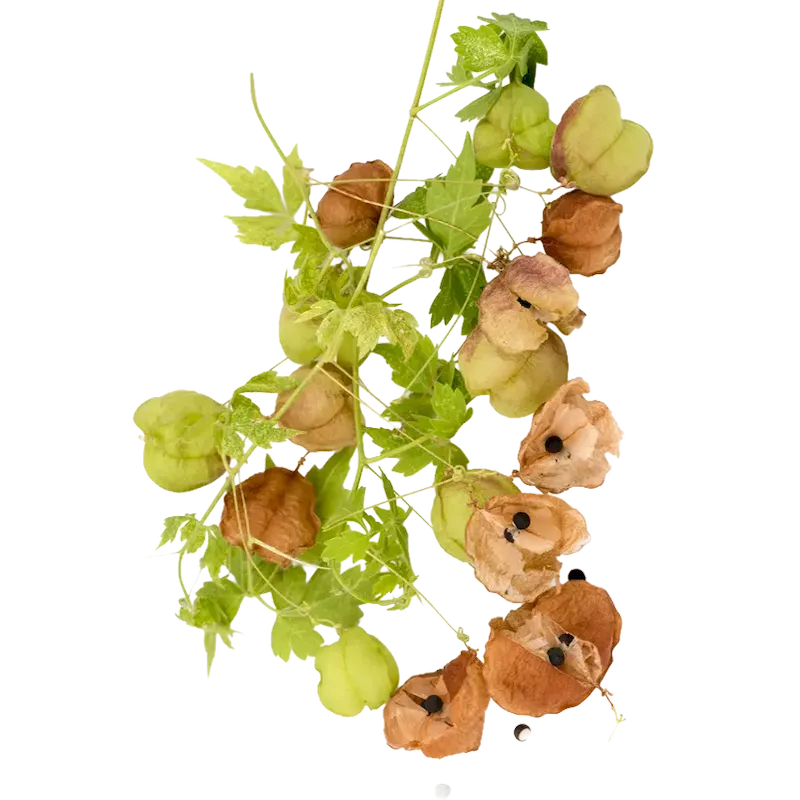
Balloon Vine, scientifically known as Cardiospermum halicacabum, is a climbing plant native to various tropical and subtropical regions, including Asia, Africa, and the Americas. It belongs to the Sapindaceae family and is characterized by its unique seed capsules, which resemble small balloons. Balloon Vine has a history of traditional use in herbal medicine and is known for its potential medicinal properties. نبات الكرمة البالونية، المعروف علميًا باسم Cardiospermum halicacabum، هو نبات متسلق موطنه الأصلي مناطق استوائية وشبه استوائية متنوعة، بما في ذلك آسيا وأفريقيا والأمريكتين. ينتمي هذا النبات إلى الفصيلة الصابونية (Sapindaceae) ويتميز بكبسولات بذوره الفريدة التي تشبه البالونات الصغيرة. للكرمة البالونية تاريخ طويل من الاستخدام التقليدي في الطب العشبي، وهي معروفة بخصائصها الطبية المحتملة.
Categoryالفئة
• Potential anti-inflammatory
• Potential skin-soothing effects
• Traditional use for skin conditions• خصائص مضادة للالتهابات
• تأثيرات مهدئة للبشرة
• استخدام تقليدي لعلاج الأمراض الجلدية
Habitatالموطن
Balloon Vine can be found in a variety of habitats, including forests, fields, and gardens. It is often considered a weed due to its ability to spread rapidly. The plant is cultivated for its aerial parts, particularly the seeds, which contain bioactive compounds. Balloon Vine is traditionally used for its potential anti-inflammatory and skin-soothing properties.يُمكن العثور على نبات الكرمة البالونية في بيئات متنوعة، تشمل الغابات والحقول والحدائق. وغالبًا ما يُعتبر من الأعشاب الضارة نظرًا لقدرته على الانتشار السريع. يُزرع هذا النبات لأجزائه الهوائية، وخاصة البذور، التي تحتوي على مركبات حيوية فعّالة. ويُستخدم نبات الكرمة البالونية تقليديًا لخصائصه المضادة للالتهابات والملطفة للبشرة.
Parts usedالأجزاء المستخدمة
• Aerial Parts (Seeds, Leaves) • الأجزاء الهوائية (البذور، الأوراق)
Key constituentsالمكوّنات الفعّالة
• Flavonoids (luteolin, quercetin, kaempferol — antioxidant, anti-inflammatory)
• Alkaloids (trace; cardiac glycoside precursors — cardiotonic, anti-inflammatory)
• Saponins (cardiospermosides A, B, C — anti-inflammatory, antirheumatic)
• Tannins (~5–10% — astringent, antimicrobial)
• Phenolic acids (caffeic acid, gallic acid — antioxidant)
• Fatty acids (seed oil: arachidic acid, oleic acid, linoleic acid — anti-inflammatory)
• Terpenoids (triterpenoids — anti-inflammatory)
• Minerals (calcium, iron, potassium — nutritive)• الفلافونويدات (اللوتولين، الكيرسيتين، الكامفيرول - مضادات الأكسدة، مضادات الالتهاب)
• القلويدات (كميات ضئيلة؛ سلائف جليكوسيدات القلب - منشطات القلب، مضادات الالتهاب)
• الصابونينات (كارديوسبيرموسيدات أ، ب، ج - مضادات الالتهاب، مضادات الروماتيزم)
• التانينات (حوالي 5-10% - قابضة، مضادة للميكروبات)
• الأحماض الفينولية (حمض الكافيين، حمض الغاليك - مضادات الأكسدة)
• الأحماض الدهنية (زيت البذور: حمض الأراكيديك، حمض الأوليك، حمض اللينوليك - مضادات الالتهاب)
• التربينويدات (التريتربينويدات - مضادات الالتهاب)
• المعادن (الكالسيوم، الحديد، البوتاسيوم - مغذية)
Researchالأبحاث
Research on Balloon Vine has explored its chemical constituents, including triterpenoid saponins and flavonoids. It is traditionally used for its potential anti-inflammatory and skin-soothing effects, particularly in topical applications. استكشفت الأبحاث التي أجريت على نبات البالون مكوناته الكيميائية، بما في ذلك صابونينات الترايتيربينويد والفلافونويدات. ويُستخدم تقليدياً لخصائصه المحتملة المضادة للالتهابات والملطفة للبشرة، وخاصةً عند استخدامه موضعياً.
Published researchأبحاث منشورة
↗ Cardiospermum halicacabum in atopic dermatitis: Clinical evidence based on phytotherapic approach↗ Ethnomedical, phytochemical and pharmacological insights on an Indian medicinal plant: The balloon vine (Cardiospermum halicacabum Linn.)↗ Antimicrobial properties of the medicinal plant Cardiospermum halicacabum L: new evidence and future perspectivesTraditional useالاستخدام التقليدي
Balloon Vine is traditionally used in herbal medicine, particularly in traditional systems like Ayurveda, for skin conditions. It is valued for its potential to soothe the skin and alleviate discomfort. It can be prepared in various forms for topical use. يُستخدم نبات البالون تقليديًا في الطب العشبي، وخاصة في الأنظمة التقليدية كالأيورفيدا، لعلاج الأمراض الجلدية. ويُقدّر لقدرته على تهدئة البشرة وتخفيف الانزعاج. ويمكن تحضيره بأشكال مختلفة للاستخدام الموضعي.
Current useالاستخدام الحالي
Balloon Vine can be prepared as herbal infusions, tinctures, or used in traditional remedies. It is primarily valued for its potential anti-inflammatory and skin-soothing properties and is used in topical applications for skin health. يمكن تحضير نبات البالون فاين على شكل مشروبات عشبية أو صبغات، أو استخدامه في العلاجات التقليدية. ويُقدّر هذا النبات بشكل أساسي لخصائصه المضادة للالتهابات والملطفة للبشرة، ويُستخدم موضعياً للعناية بصحة الجلد.
Preparationsالتحضيرات
Infusion, Tincture, Whole (Fresh/Dried)خلاصة سائلة, كامل (طازج/مجفف), منقوع
Used for these conditionsيُستخدم لهذه الحالات
Adult dosageجرعة البالغين
Dosage recommendations for Balloon Vine can vary depending on the intended use and preparation form. It is typically used topically and applied to the affected skin as needed.تختلف توصيات الجرعة لنبات البالون فاين تبعاً للاستخدام المقصود وطريقة التحضير. ويُستخدم عادةً موضعياً، حيث يُوضع على الجلد المصاب حسب الحاجة.
Child dosageجرعة الأطفال
Consult a qualified herbalist or healthcare provider for appropriate dosages for children. استشر أخصائي أعشاب مؤهل أو مقدم رعاية صحية لتحديد الجرعات المناسبة للأطفال.
Cautionتحذيرات
Balloon Vine is generally considered safe when used topically for skin conditions. However, individual reactions may vary, and it is advisable to perform a patch test on a small area of the skin before widespread use. If irritation occurs, discontinue use. يُعتبر نبات البالون فاين آمناً بشكل عام عند استخدامه موضعياً لعلاج الأمراض الجلدية. مع ذلك، قد تختلف ردود الفعل الفردية، لذا يُنصح بإجراء اختبار حساسية على منطقة صغيرة من الجلد قبل الاستخدام على نطاق واسع. في حال حدوث تهيج، يجب التوقف عن الاستخدام.