
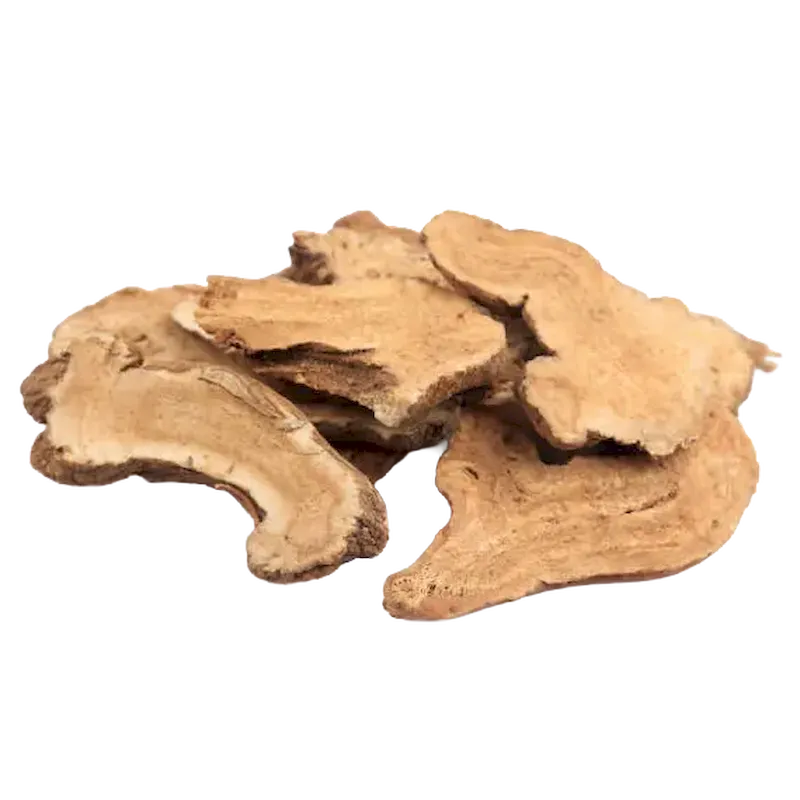
Introductionمقدّمة
Bai Zhu, also known as Largehead Atractylodes or Atractylodes macrocephala, is a perennial herb native to China and other parts of East Asia. It has a long history of use in traditional Chinese medicine (TCM) for its potential health benefits and digestive properties. باي تشو، المعروف أيضاً باسم أتراكتيلودس كبير الرأس أو أتراكتيلودس ماكروكيفالا، هو عشب معمر موطنه الأصلي الصين وأجزاء أخرى من شرق آسيا. وله تاريخ طويل من الاستخدام في الطب الصيني التقليدي لفوائده الصحية المحتملة وخصائصه الهضمية.
Categoryالفئة
• Digestive
• Tonifying (strengthening)
• Anti-inflammatory• مُحسّن للهضم
• مُقوٍّ
• مُضاد للالتهابات
Habitatالموطن
Bai Zhu is commonly found in the hilly and mountainous regions of East Asia. It thrives in well-drained, loamy soils and is often cultivated for its medicinal roots. The roots of Bai Zhu are valued for their herbal properties and are harvested for various traditional remedies. ينتشر نبات باي تشو في المناطق الجبلية والتلالية في شرق آسيا. ينمو هذا النبات في التربة الطينية جيدة التصريف، ويُزرع غالبًا لجذوره الطبية. تُقدّر جذور باي تشو لخصائصها العشبية، وتُحصد لاستخدامها في العديد من العلاجات التقليدية.
Parts usedالأجزاء المستخدمة
• Roots • الجذور
Key constituentsالمكوّنات الفعّالة
• Atractylodin (polyacetylene ~0.1–0.3% — anti-inflammatory, anti-ulcer, antifungal)
• Atractylone (sesquiterpene ~0.5–1.5% — anti-inflammatory, digestive stimulant)
• Atractylenolide I, II, III (sesquiterpene lactones — anti-inflammatory, hepatoprotective, anticancer)
• Beta-eudesmol (sesquiterpene ~1–3% — neuroprotective, anti-inflammatory)
• Polysaccharides (atractylodes polysaccharide ~30–40% roots — immunomodulatory, antidiabetic)
• Flavonoids (quercetin, luteolin — antioxidant, anti-inflammatory)
• Vitamins (vitamin A precursors — nutritive)
• Minerals (calcium, iron, potassium — nutritive)• أتراكتيلودين (بولي أسيتيلين ~0.1–0.3% — مضاد للالتهابات، مضاد للقرحة، مضاد للفطريات)
• أتراكتيلون (سيسكويتربين ~0.5–1.5% — مضاد للالتهابات، منشط للهضم)
• أتراكتيلينوليد I، II، III (لاكتونات سيسكويتربين — مضاد للالتهابات، واقٍ للكبد، مضاد للسرطان)
• بيتا-يودسمول (سيسكويتربين ~1–3% — واقٍ للأعصاب، مضاد للالتهابات)
• عديدات السكاريد (عديد سكاريد الأتراكتيلود ~30–40% من الجذور — معدل للمناعة، مضاد لداء السكري)
• فلافونويدات (كيرسيتين، لوتولين — مضاد للأكسدة، مضاد للالتهابات)
• فيتامينات (سلائف فيتامين أ — مغذية)
• معادن (كالسيوم، حديد، بوتاسيوم — مغذية)
Researchالأبحاث
Research on Bai Zhu has explored its potential digestive and tonifying effects. It is traditionally used in TCM to strengthen the spleen and stomach and promote digestion. Some studies also investigate its anti-inflammatory properties. استكشفت الأبحاث التي أُجريت على نبات باي تشو فوائده المحتملة في تحسين الهضم وتقوية الجسم. ويُستخدم تقليديًا في الطب الصيني التقليدي لتقوية الطحال والمعدة وتعزيز الهضم. كما تبحث بعض الدراسات في خصائصه المضادة للالتهابات.
Published researchأبحاث منشورة
↗ The traditional uses, phytochemistry, and pharmacology of Atractylodes macrocephala↗ Potential application of Atractylodes macrocephala Koidz. as a natural drug for bone mass regulation: A review↗ The traditional Chinese medicine processing change chemical composition and pharmacological effectiveness: Taking Atractylodes macrocephala Koidz. and honey bran-fried Atractylodes macrocephala Koidz. as examplesTraditional useالاستخدام التقليدي
Bai Zhu has been used for centuries in traditional Chinese medicine, where it is valued for its role in promoting digestive health, tonifying the spleen and stomach, and addressing issues related to dampness. It continues to be used in TCM and is also found in some modern herbal formulations.يُستخدم نبات باي تشو منذ قرون في الطب الصيني التقليدي، حيث يُقدّر لدوره في تعزيز صحة الجهاز الهضمي، وتقوية الطحال والمعدة، ومعالجة المشاكل المتعلقة بالرطوبة. ولا يزال يُستخدم في الطب الصيني التقليدي، كما يدخل في تركيب بعض المستحضرات العشبية الحديثة.
Current useالاستخدام الحالي
Bai Zhu roots are primarily used for their medicinal properties. They can be prepared as decoctions, herbal infusions, or incorporated into herbal formulations for various purposes. تُستخدم جذور باي تشو بشكل أساسي لخصائصها الطبية. ويمكن تحضيرها على شكل مغلي أو منقوع عشبي أو إضافتها إلى تركيبات عشبية لأغراض متنوعة.
Preparationsالتحضيرات
Decoction, Infusionمغلي, منقوع
Used for these conditionsيُستخدم لهذه الحالات
Adult dosageجرعة البالغين
Dosage recommendations for Bai Zhu can vary depending on the specific TCM formula or remedy and individual needs. It is typically used as directed by a TCM practitioner or as recommended on product labels. تختلف توصيات جرعة باي تشو تبعًا لتركيبة الطب الصيني التقليدي أو العلاج المحدد، وللاحتياجات الفردية. ويُستخدم عادةً وفقًا لتوجيهات ممارس الطب الصيني التقليدي أو كما هو مذكور على ملصقات المنتج.
Child dosageجرعة الأطفال
Consult a qualified TCM practitioner or healthcare provider for appropriate dosages for children. استشر ممارسًا مؤهلًا في الطب الصيني التقليدي أو مقدم رعاية صحية لتحديد الجرعات المناسبة للأطفال.
Cautionتحذيرات
Bai Zhu is generally considered safe when used as directed in traditional remedies. However, individual reactions may vary, and it should be used under the guidance of a qualified TCM practitioner or healthcare provider.يُعتبر باي تشو آمناً بشكل عام عند استخدامه وفقاً للإرشادات في العلاجات التقليدية. ومع ذلك، قد تختلف ردود الفعل الفردية، لذا يُنصح باستخدامه تحت إشراف ممارس مؤهل للطب الصيني التقليدي أو مقدم رعاية صحية.