
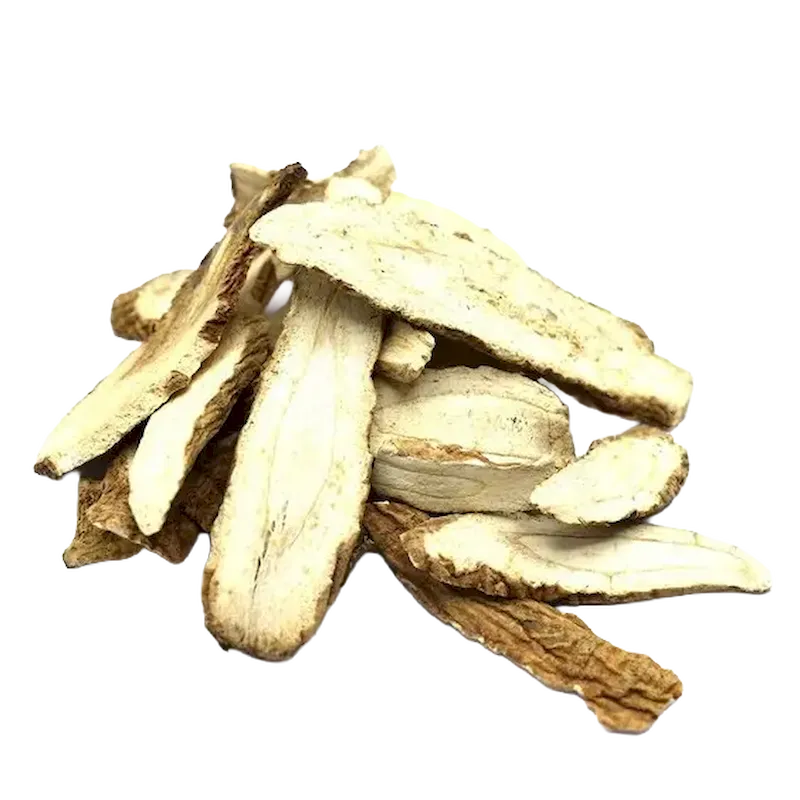
Introductionمقدّمة
Bai Zhi, scientifically known as Angelica dahurica, is a perennial herb native to East Asia, including China and Korea. It is also commonly known as Dahurian Angelica. Bai Zhi is known for its aromatic roots and potential medicinal properties. باي تشي، المعروف علميًا باسم أنجليكا داهوريكا، هو عشب معمر موطنه الأصلي شرق آسيا، بما في ذلك الصين وكوريا. ومن المعروف أيضًا باسم Dahurian Angelica. تشتهر باي تشي بجذورها العطرية وخصائصها الطبية المحتملة.
Categoryالفئة
• Potential anti-inflammatory
• Potential analgesic (pain-relieving)
• Potential antimicrobial
• Traditional use for various health conditions• مضاد محتمل للالتهابات
• مسكن محتمل للألم
• مضاد محتمل للميكروبات
• الاستخدام التقليدي لعلاج حالات صحية متنوعة
Habitatالموطن
Bai Zhi is typically found in forests, grasslands, and meadows in East Asian countries. It is cultivated for its roots, which are used for their potential medicinal benefits in traditional medicine. The plant prefers well-drained soil and partial shade. ينمو نبات باي تشي عادةً في الغابات والمراعي والأراضي العشبية في دول شرق آسيا. ويُزرع من أجل جذوره التي تُستخدم لفوائدها الطبية المحتملة في الطب التقليدي. ويفضل هذا النبات التربة جيدة التصريف والظل الجزئي.
Parts usedالأجزاء المستخدمة
• Roots • الجذور
Key constituentsالمكوّنات الفعّالة
• Coumarins (imperatorin, isoimperatorin, psoralen ~0.5–1.5% roots — analgesic, anti-inflammatory, phototoxic)
• Furanocoumarins (bergapten, oxypeucedanin — antispasmodic, antimicrobial, photosensitizing)
• Volatile oils (alpha-pinene, limonene ~0.3–1.2% — antimicrobial, digestive)
• Flavonoids (quercetin, kaempferol — antioxidant, anti-inflammatory)
• Polysaccharides (immunomodulatory)
• Alkaloids (trace — analgesic)
• Tannins (~3–6% — astringent, antimicrobial)
• Minerals (calcium, potassium, iron — nutritive)• الكومارين (إمبيراتورين، إيزوإمبيراتورين، بسورالين ~0.5-1.5% من الجذور - مسكن، مضاد للالتهابات، حساس للضوء)
• فورانوكومارين (بيرغابتين، أوكسيبوسيدانين - مضاد للتشنج، مضاد للميكروبات، حساس للضوء)
• الزيوت الطيارة (ألفا-بينين، ليمونين ~0.3-1.2% - مضاد للميكروبات، هاضم)
• الفلافونويدات (كيرسيتين، كامفيرول - مضاد للأكسدة، مضاد للالتهابات)
• السكريات المتعددة (معدلة للمناعة)
• القلويدات (كميات ضئيلة - مسكن)
• التانينات (~3-6% - قابض، مضاد للميكروبات)
• المعادن (الكالسيوم، البوتاسيوم، الحديد - مغذية)
Researchالأبحاث
Research on Bai Zhi has primarily focused on its potential anti-inflammatory, analgesic, and antimicrobial properties. It is traditionally used in traditional medicine for a range of health concerns. ركزت الأبحاث على نبات باي تشي بشكل أساسي على خصائصه المحتملة المضادة للالتهابات والمسكنة والمضادة للميكروبات. ويُستخدم تقليدياً في الطب الشعبي لعلاج مجموعة من المشاكل الصحية.
Published researchأبحاث منشورة
↗ The Angelica dahurica: A Review of Traditional Uses, Phytochemistry and Pharmacology↗ Angelica Dahurica Regulated the Polarization of Macrophages and Accelerated Wound Healing in Diabetes: A Network Pharmacology Study and In Vivo Experimental Validation↗ Chemical profiling and arginine kinase inhibitory activity of Angelica dahurica leavesTraditional useالاستخدام التقليدي
Traditionally, the roots of Bai Zhi are used for their potential medicinal benefits. The roots are known for their unique aroma and potential therapeutic properties.تُستخدم جذور نبات باي تشي تقليدياً لفوائدها الطبية المحتملة، إذ تُعرف هذه الجذور برائحتها الفريدة وخصائصها العلاجية المحتملة.
Current useالاستخدام الحالي
Bai Zhi can be prepared as herbal decoctions, topical ointments, or used in traditional remedies. It is traditionally used for its potential anti-inflammatory, analgesic, and antimicrobial effects. يمكن تحضير نبات باي تشي على شكل مغلي أعشاب، أو مراهم موضعية، أو استخدامه في العلاجات التقليدية. ويُستخدم تقليدياً لخصائصه المحتملة المضادة للالتهابات، والمسكنة للألم، والمضادة للميكروبات.
Preparationsالتحضيرات
Decoction, Ointmentمرهم, مغلي
Used for these conditionsيُستخدم لهذه الحالات
Adult dosageجرعة البالغين
Dosage recommendations for Bai Zhi may vary based on the purpose and preparation form. It is typically used in appropriate quantities in traditional herbal remedies. قد تختلف توصيات الجرعة لنبات باي تشي بناءً على الغرض وطريقة التحضير. ويُستخدم عادةً بكميات مناسبة في العلاجات العشبية التقليدية.
Child dosageجرعة الأطفال
Dosages for Bai Zhi may vary based on specific health conditions and individual preferences. It's advisable to consult with a traditional herbalist or healthcare provider for guidance on dosages and usage. قد تختلف جرعات باي تشي باختلاف الحالات الصحية والتفضيلات الشخصية. يُنصح باستشارة أخصائي أعشاب تقليدية أو مقدم رعاية صحية للحصول على إرشادات حول الجرعات وطريقة الاستخدام.
Cautionتحذيرات
Bai Zhi root contains furanocoumarins (psoralen, bergapten, imperatorin) that cause photosensitivity; avoid strong sun/UV or tanning exposure while using it and do not use alongside phototherapy or other photosensitising drugs. Avoid in pregnancy and breastfeeding, and consult a qualified practitioner before medicinal use.يحتوي جذر باي تشي على مركبات الفيورانوكومارين (البسورالين، البيرغابتين، الإمبيراتورين) التي تسبب حساسية للضوء؛ لذا تجنّب التعرض القوي للشمس أو الأشعة فوق البنفسجية أثناء استخدامه، ولا تستخدمه مع العلاج الضوئي أو الأدوية المُحسِّسة للضوء. يُتجنّب أثناء الحمل والرضاعة، واستشر مختصًا مؤهلًا قبل الاستخدام الطبي.
Pregnancy & nursingالحمل والرضاعة
Avoid during Pregnancy/Nursingيمنع أثناء الحمل والرضاعة