
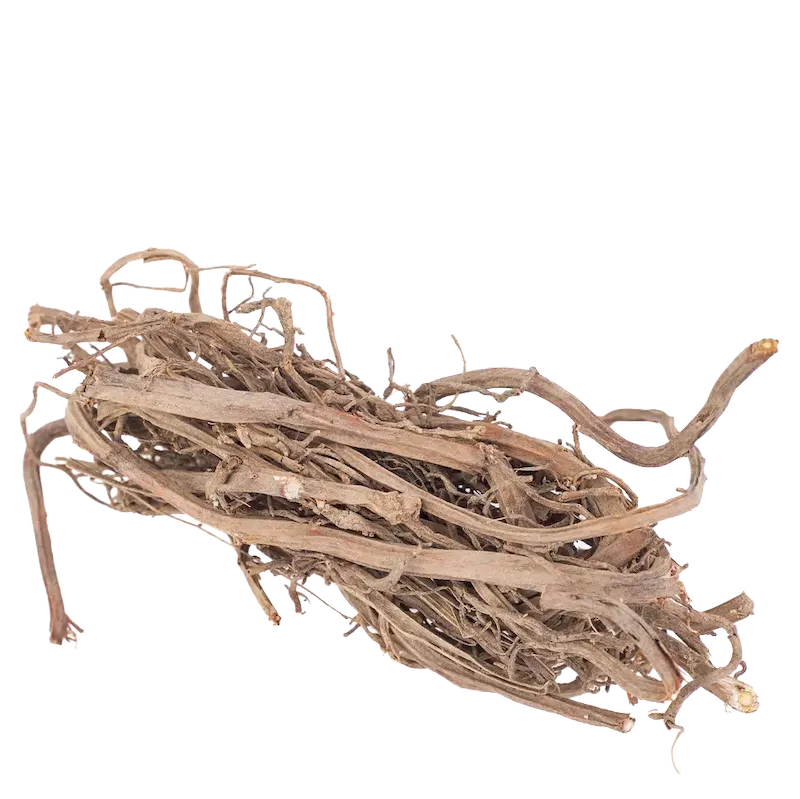
Introductionمقدّمة
Asmatica, scientifically known as Tylophora aspera, is a climbing perennial plant belonging to the Asclepiadaceae family. It is recognized for its potential medicinal properties, particularly in traditional Ayurvedic and folk medicine for respiratory support. نبات الأسماتيكا، المعروف علمياً باسم تايلوفورا أسبيرا، هو نبات معمر متسلق ينتمي إلى عائلة الأسكليبياداسيا. وهو معروف بخصائصه الطبية المحتملة، لا سيما في الطب الأيورفيدي التقليدي والطب الشعبي لدعم الجهاز التنفسي.
Categoryالفئة
• Traditional use for respiratory health
• Potential anti-inflammatory
• Immunomodulatory effects• الاستخدام التقليدي لصحة الجهاز التنفسي
• خصائص مضادة للالتهابات
• تأثيرات معدلة للمناعة
Habitatالموطن
Asmatica is native to India and can be found in various regions, including forests and hilly areas. It is known to thrive in tropical and subtropical climates. Different parts of the plant, such as leaves and roots, are used for their potential therapeutic benefits.نبات الأسماطيكا موطنه الأصلي الهند، وينتشر في مناطق متنوعة، بما في ذلك الغابات والمناطق الجبلية. وهو معروف بقدرته على النمو في المناخات الاستوائية وشبه الاستوائية. وتُستخدم أجزاء مختلفة من النبات، مثل الأوراق والجذور، لفوائدها العلاجية المحتملة.
Parts usedالأجزاء المستخدمة
• Leaves
• Roots• الأوراق
• الجذور
Key constituentsالمكوّنات الفعّالة
Major actives are phenanthroindolizidine alkaloids, chiefly tylophorine, tylophorinine and tylophorinidine, together with flavonoids, phenolics, sterols and other minor phytochemicals. (Vasicine/vasicinone are alkaloids of Adhatoda vasica, a different plant, and do not belong here.)المكوّنات الفعّالة الرئيسية هي قلويدات الفينانثروإندوليزيدين، وعلى رأسها التيلوفورين والتيلوفورينين والتيلوفورينيدين، إضافةً إلى الفلافونويدات والمركبات الفينولية والستيرولات ومكوّنات نباتية ثانوية أخرى. (أما الفاسيسين والفاسيسينون فهما من قلويدات نبات الأدهاتودا Adhatoda vasica، وهو نبات مختلف ولا ينتميان إلى هنا.)
Researchالأبحاث
Research on Asmatica has focused on its alkaloid content, including tylophorine, and its potential benefits for respiratory health and inflammation. It is traditionally used in Ayurvedic and folk medicine for respiratory support.ركزت الأبحاث على نبات السمطية على محتواه من القلويدات، بما في ذلك التيلوفورين، وفوائده المحتملة لصحة الجهاز التنفسي والالتهابات. ويُستخدم تقليديًا في الطب الأيورفيدي والشعبي لدعم صحة الجهاز التنفسي.
Traditional useالاستخدام التقليدي
Asmatica is traditionally used for respiratory support in Ayurvedic and folk medicine. Various parts of the plant, including leaves and roots, may be prepared as herbal remedies. It is valued for its potential benefits in addressing respiratory issues. يُستخدم نبات الأسماتيكا تقليديًا لدعم الجهاز التنفسي في الطب الأيورفيدي والشعبي. ويمكن تحضير أجزاء مختلفة من النبات، بما في ذلك الأوراق والجذور، كعلاجات عشبية. ويُقدّر هذا النبات لفوائده المحتملة في معالجة مشاكل الجهاز التنفسي.
Current useالاستخدام الحالي
Asmatica can be prepared as herbal infusions, decoctions, or in other traditional Ayurvedic formulations. Its uses may vary based on traditional knowledge and desired applications. It is traditionally used for respiratory support. يمكن تحضير عشبة أسماتيكا على شكل مشروبات عشبية، أو مغلي، أو في تركيبات أيورفيدية تقليدية أخرى. وقد تختلف استخداماتها بناءً على المعرفة التقليدية والاستخدامات المطلوبة. وهي تُستخدم تقليديًا لدعم الجهاز التنفسي.
Preparationsالتحضيرات
Decoction, Infusionمغلي, منقوع
Used for these conditionsيُستخدم لهذه الحالات
Adult dosageجرعة البالغين
Dosage recommendations for Asmatica may vary depending on the specific traditional remedy and individual needs. It is typically used in appropriate quantities for respiratory support in traditional Ayurvedic and folk medicine.قد تختلف توصيات الجرعات لدواء أسماتيكا تبعًا للعلاج التقليدي المحدد والاحتياجات الفردية. ويُستخدم عادةً بكميات مناسبة لدعم الجهاز التنفسي في الطب الأيورفيدي والشعبي التقليدي.
Child dosageجرعة الأطفال
Consult a qualified Ayurvedic practitioner or healthcare provider for appropriate dosages for children. استشر طبيبًا متخصصًا في الطب الأيورفيدي أو مقدم رعاية صحية مؤهلًا لتحديد الجرعات المناسبة للأطفال.
Cautionتحذيرات
Tylophora frequently causes nausea, vomiting, mouth soreness and loss/alteration of taste. Its alkaloids are cytotoxic, so it should be used only short-term at low dose under professional supervision and not long-term. Avoid in pregnancy and breastfeeding.كثيرًا ما يسبّب نبات التايلوفورا الغثيان والقيء والتهاب الفم وفقدان/تغيّر حاسة التذوّق. وقلويداته سامة للخلايا، لذا يُستخدم لفترات قصيرة فقط وبجرعات منخفضة وتحت إشراف مختص، ولا يُستخدم لفترات طويلة. يُتجنّب أثناء الحمل والرضاعة.
Pregnancy & nursingالحمل والرضاعة
Avoid during pregnancy and breastfeeding. Tylophora contains cytotoxic phenanthroindolizidine alkaloids and is a strong emetic; its safety in pregnancy and lactation has not been established and it should not be used.يُتجنّب أثناء الحمل والرضاعة. يحتوي نبات التايلوفورا على قلويدات فينانثروإندوليزيدين سامة للخلايا وهو مقيّئ قوي؛ ولم تثبت سلامته أثناء الحمل والرضاعة ولا ينبغي استخدامه.