
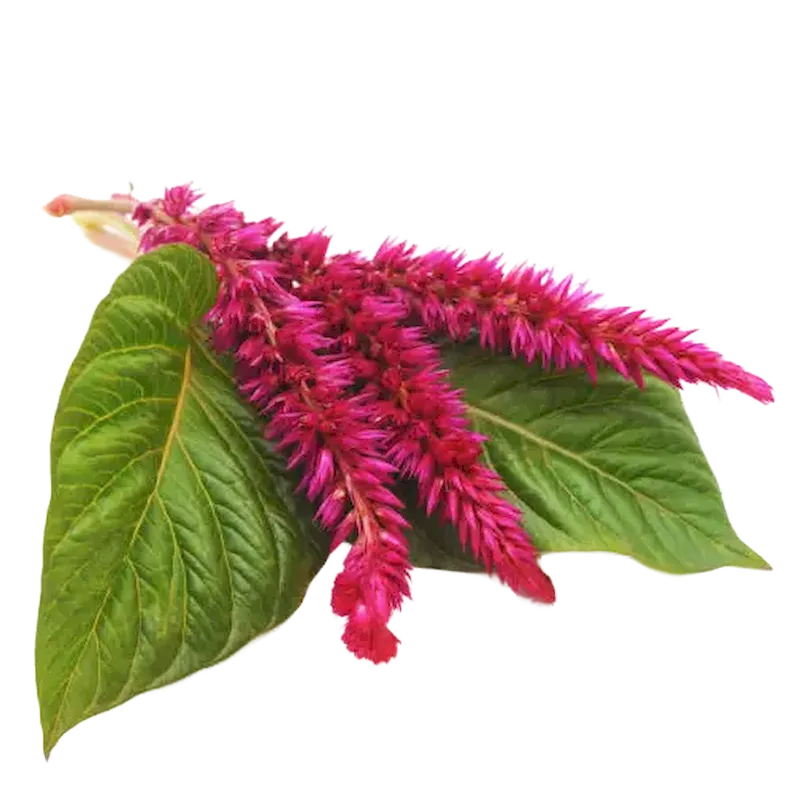
Introductionمقدّمة
Amaranth, scientifically known as Amaranthus spp., is a group of flowering plants with a rich history of use as both a food and a potential medicinal herb. It is cultivated worldwide for its edible leaves, seeds, and stems. الأمارانث، المعروف علمياً باسم Amaranthus spp.، هو مجموعة من النباتات المزهرة ذات تاريخ عريق في الاستخدام كغذاء وعشبة طبية محتملة. يُزرع في جميع أنحاء العالم لأوراقه وبذوره وسيقانه الصالحة للأكل.
Categoryالفئة
• Nutrient-rich
• Potential antioxidant
• Potential anti-inflammatory• غني بالعناصر الغذائية
• مضاد للأكسدة
• مضاد للالتهابات
Habitatالموطن
Amaranth is a versatile plant that can grow in various climates and soil types. It is primarily cultivated for its edible parts, including leaves and seeds. نبات القطيفة نبات متعدد الاستخدامات يمكنه النمو في مناخات وأنواع تربة مختلفة. ويُزرع في المقام الأول لأجزائه الصالحة للأكل، بما في ذلك الأوراق والبذور.
Parts usedالأجزاء المستخدمة
• Leaves
• Seeds
• Stems• الأوراق
• البذور
• السيقان
Key constituentsالمكوّنات الفعّالة
• Protein (~13–18% seeds; lysine-rich — nutritive, muscle building)
• Fiber (~7–10% seeds — prebiotic, digestive)
• Vitamins (vitamin C, vitamin K, folate, vitamin E — nutritive, antioxidant)
• Minerals (iron, calcium, magnesium, phosphorus, zinc — nutritive)
• Phytochemicals (squalene — antioxidant, cholesterol-lowering)
• Flavonoids (rutin, quercetin — antioxidant, anti-inflammatory)
• Amaranthine (betacyanin pigment — antioxidant)
• Saponins (~0.1–0.5% seeds — anti-inflammatory)
• Fatty acids (linoleic acid ~50% seed oil; oleic acid — nutritive)• بروتين (حوالي 13-18% من البذور؛ غني بالليسين - مغذٍ، يساعد على بناء العضلات)
• ألياف (حوالي 7-10% من البذور - بريبيوتيك، يساعد على الهضم)
• فيتامينات (فيتامين ج، فيتامين ك، حمض الفوليك، فيتامين هـ - مغذية، مضادة للأكسدة)
• معادن (حديد، كالسيوم، مغنيسيوم، فوسفور، زنك - مغذية)
• مواد كيميائية نباتية (سكوالين - مضاد للأكسدة، خافض للكوليسترول)
• فلافونويدات (روتين، كيرسيتين - مضاد للأكسدة، مضاد للالتهابات)
• أمارانثين (صبغة بيتايسيانين - مضاد للأكسدة)
• صابونين (حوالي 0.1-0.5% من البذور - مضاد للالتهابات)
• أحماض دهنية (حمض اللينوليك حوالي 50% من زيت البذور؛ حمض الأوليك - مغذٍ)
Researchالأبحاث
Research on Amaranth has primarily focused on its nutritional value and potential health benefits. It is traditionally used as a nutritious food source and has been explored for its antioxidant and anti-inflammatory properties. ركزت الأبحاث على نبات القطيفة بشكل أساسي على قيمته الغذائية وفوائده الصحية المحتملة. يُستخدم تقليديًا كمصدر غذائي غني، وقد تم استكشاف خصائصه المضادة للأكسدة والالتهابات.
Published researchأبحاث منشورة
↗ An evidence-based systematic review of amaranth (Amaranthus spp.) by the Natural Standard Research Collaboration↗ State of knowledge on amaranth grain: a comprehensive review↗ Beverages developed from pseudocereals (quinoa, buckwheat, and amaranth): Nutritional and functional propertiesTraditional useالاستخدام التقليدي
Traditionally, various parts of Amaranth are used for culinary purposes, including the leaves, seeds, and stems. It is primarily used as a nutritious food source and is not commonly used as a medicinal herb.تُستخدم أجزاء مختلفة من نبات القطيفة تقليديًا في الطهي، بما في ذلك الأوراق والبذور والسيقان. ويُستخدم بشكل أساسي كمصدر غذائي غني، ولا يُستخدم عادةً كعشب طبي.
Current useالاستخدام الحالي
Amaranth can be prepared in a variety of culinary dishes, including salads, porridges, and baked goods. It is traditionally consumed for its high nutritional value and potential health benefits. يمكن تحضير نبات القطيفة في مجموعة متنوعة من الأطباق، بما في ذلك السلطات والعصيدة والمخبوزات. ويُستهلك تقليدياً لقيمته الغذائية العالية وفوائده الصحية المحتملة.
Preparationsالتحضيرات
Culinary, Whole (Fresh/Dried)طهي, كامل (طازج/مجفف)
Used for these conditionsيُستخدم لهذه الحالات
Adult dosageجرعة البالغين
Dosage in culinary applications is based on taste and recipe requirements. Amaranth is typically consumed as part of various dishes for its nutritional value. تعتمد الجرعة في التطبيقات الغذائية على المذاق ومتطلبات الوصفة. يُستهلك نبات القطيفة عادةً كجزء من أطباق متنوعة لقيمته الغذائية.
Child dosageجرعة الأطفال
Dosages for Amaranth are not specified in traditional herbal medicine, as it is primarily used as a food source. It is typically consumed as part of a balanced diet based on individual dietary preferences. لا تُحدد جرعات نبات القطيفة في الطب العشبي التقليدي، إذ يُستخدم في المقام الأول كمصدر غذائي. وعادةً ما يُستهلك كجزء من نظام غذائي متوازن يُراعي التفضيلات الغذائية الفردية.
Cautionتحذيرات
Amaranth is generally considered safe when used as a food source. However, individuals with known food allergies or sensitivities should exercise caution.يُعتبر نبات القطيفة آمناً بشكل عام عند استخدامه كمصدر غذائي. ومع ذلك، ينبغي على الأشخاص الذين يعانون من حساسية أو عدم تحمل تجاه بعض الأطعمة توخي الحذر.