Introductionمقدّمة
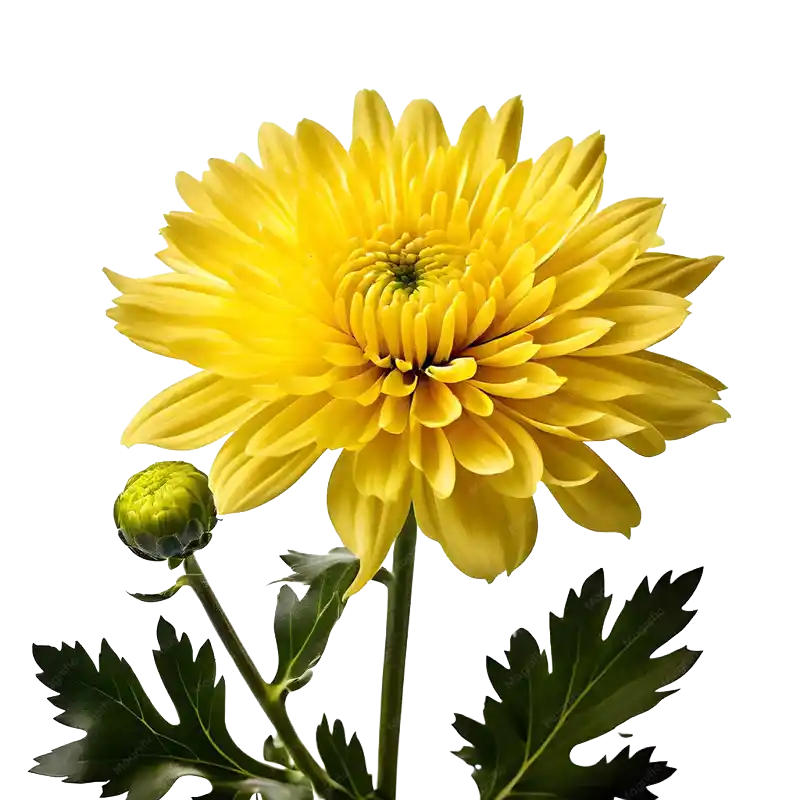
Chrysanthemum indicum — wild chrysanthemum, Yejuhua — is a Chinese-medicine flower used to “clear heat and toxin” for sores, boils, red eyes, sore throat and high blood pressure.الأقحوان الهنديّ (Chrysanthemum indicum) — «يي جو هوا» — زهرةٌ في الطبّ الصيني تُستعمل «لتصفية الحرارة والسمّ» للقروح والدمامل والعين الحمراء والتهاب الحلق وارتفاع الضغط.
Categoryالفئة
• Anti-infective / “clears heat” (TCM)
• Anti-inflammatory
• Antimicrobial / antiviral
• Antihypertensive
• Antioxidant• مضادّ للعدوى / «يُصفّي الحرارة» (طبّ صيني)
• مضاد للالتهاب
• مضاد للميكروبات / الفيروسات
• خافضٌ للضغط
• مضاد للأكسدة
Habitatالموطن
A small-flowered wild chrysanthemum of East Asia, with yellow flower-heads.أقحوانٌ برّيّ صغير الأزهار في شرق آسيا، برؤوس زهرٍ صفراء.
Parts usedالأجزاء المستخدمة
• Flower-heads• رؤوس الأزهار
Key constituentsالمكوّنات الفعّالة
• Flavonoids (luteolin, acacetin)
• Essential oil
• Sesquiterpene lactones
• Chlorogenic acid• فلافونويدات (لوتيولين، أكاسيتين)
• زيتٌ طيّار
• لاكتونات سسكويتربينية
• حمض الكلوروجينيك
Researchالأبحاث
Reviews confirm antimicrobial, antiviral, anti-inflammatory, blood-pressure-lowering and antioxidant effects of the flowers and their flavonoids, supporting the traditional use for infections, red eyes and hypertension. Human clinical evidence is limited.تؤكّد المراجعات تأثيراتٍ مضادة للميكروبات والفيروسات والالتهاب وخافضة للضغط ومضادة للأكسدة للأزهار وفلافونويداتها، بما يدعم الاستعمال التقليدي للعدوى والعين الحمراء وارتفاع الضغط. والأدلة السريرية البشرية محدودة.
Published researchأبحاث منشورة
↗ Chrysanthemum indicum L. — a comprehensive review of its botany, phytochemistry and pharmacologyTraditional useالاستخدام التقليدي
Used in Chinese medicine for boils, sores and skin infections, red painful eyes, sore throat, colds, and high blood pressure and headache; often as a tea.يُستعمل في الطبّ الصيني للدمامل والقروح وعدوى الجلد والعين الحمراء المؤلمة والتهاب الحلق والزكام وارتفاع الضغط والصداع؛ وغالباً شاياً.
Current useالاستخدام الحالي
Used as flower tea/decoction, extracts, and external washes.يُستعمل شاي/مغليّ أزهار ومستخلصات وغسولات خارجية.
Preparationsالتحضيرات
Flower tea/decoction, Extract, External washشاي/مغليّ الأزهار، مستخلص، غسول خارجيّ
Used for these conditionsيُستخدم لهذه الحالات
Adult dosageجرعة البالغين
Tea amounts are common; therapeutic use per practitioner.كميات الشاي شائعة؛ والاستعمال العلاجي بحسب المختصّ.
Child dosageجرعة الأطفال
Tea amounts under guidance.كميات الشاي بإشراف.
Cautionتحذيرات
Generally low-risk as a tea; people allergic to daisy-family plants (ragweed etc.) may react. It may lower blood pressure — take care with blood-pressure medicines. As a ‘cold’ herb, prolonged use may not suit weak digestion.منخفض الخطورة كشاي عموماً؛ وقد يتفاعل المتحسّسون من الفصيلة النجميّة (الأمبروزيا وغيرها). وقد يخفض ضغط الدم — انتبه مع أدوية الضغط. وككونه عشبةً «باردة»، قد لا يناسب استعماله المطوّل ضعيفي الهضم.
Pregnancy & nursingالحمل والرضاعة
Use only under professional guidance in pregnancy.لا يُستعمل في الحمل إلا بإشراف مختصّ.