Introductionمقدّمة
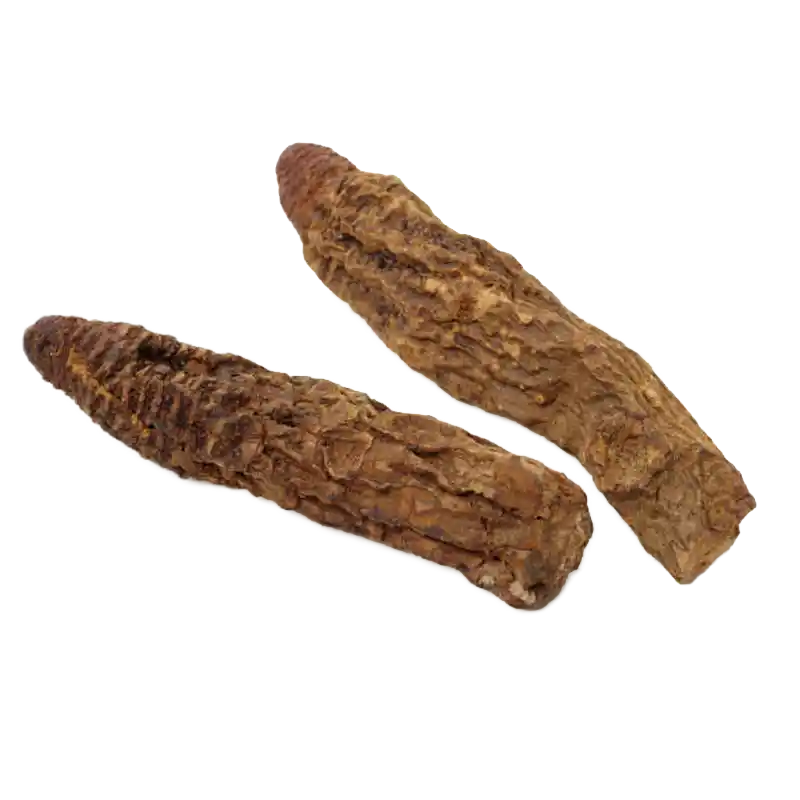
Cynomorium songaricum — Suoyang — is a fleshy parasitic desert plant used in Chinese medicine as a “kidney-yang” tonic for vitality, the lower back and knees, impotence and constipation from dryness.سينوموريوم (Cynomorium songaricum) — «سو يانغ» — نبتةٌ صحراوية طفيلية لحمية تُستعمل في الطبّ الصيني مقوّياً «ليانغ الكلى» للحيوية وأسفل الظهر والركبتين والعنّة والإمساك من الجفاف.
Categoryالفئة
• Kidney / yang tonic (TCM)
• Aphrodisiac (traditional)
• Antioxidant
• Laxative (moistening)
• Anti-fatigue• مقوٍّ للكلى / اليانغ (طبّ صيني)
• مُنشّط جنسي (تقليدي)
• مضاد للأكسدة
• مُليّن (مُرطِّب)
• مضادّ للإرهاق
Habitatالموطن
A leafless parasitic plant of arid Central Asia and northern China, growing on the roots of desert shrubs.نبتةٌ طفيلية عديمة الأوراق في وسط آسيا وشمال الصين القاحلة، تنمو على جذور شُجيرات الصحراء.
Parts usedالأجزاء المستخدمة
• Fleshy stem (whole plant)• الساق اللحمية (النبات كاملاً)
Key constituentsالمكوّنات الفعّالة
• Triterpenes & sterols
• Flavonoids & tannins
• Anthocyanins
• Polysaccharides
• Organic acids• تربينات ثلاثية وستيرولات
• فلافونويدات وعفص
• أنثوسيانينات
• متعدّدات السكاريد
• أحماض عضوية
Researchالأبحاث
Reviews report antioxidant, pro-sexual, anti-fatigue, immune-modulating and gut-moving effects in animal and laboratory studies, along with interest in metabolic syndrome; toxicity assessments find it generally safe at usual doses. Human clinical evidence is limited.تذكر المراجعات تأثيراتٍ مضادة للأكسدة ومُنشّطة للرغبة ومضادة للإرهاق ومنظِّمة للمناعة ومُحرِّكة للأمعاء في دراسات الحيوان والمختبر، مع اهتمامٍ بمتلازمة الأيض؛ وتجد تقييمات السُّمّية أنه آمنٌ عموماً بالجرعات المعتادة. والأدلة السريرية البشرية محدودة.
Traditional useالاستخدام التقليدي
Used in Chinese medicine for impotence and low libido, weak knees and lower back, infertility, and dry constipation in the elderly.يُستعمل في الطبّ الصيني للعنّة وضعف الرغبة والركبتين وأسفل الظهر والعقم والإمساك الجافّ لدى المسنّين.
Current useالاستخدام الحالي
Used as decoction, powder, extracts, and traditionally in medicinal wines.يُستعمل مغليّاً ومسحوقاً ومستخلصات، وتقليدياً في الأنبذة الطبية.
Preparationsالتحضيرات
Decoction, Powder, Extract, Medicinal wineمغليّ، مسحوق، مستخلص، نبيذ طبي
Used for these conditionsيُستخدم لهذه الحالات
Adult dosageجرعة البالغين
Traditional use per practitioner; for extracts follow the product.تقليدياً بحسب المختصّ؛ وللمستخلصات اتّبع الإرشاد.
Child dosageجرعة الأطفال
Not typically used for children.لا يُستعمل عادةً للأطفال.
Cautionتحذيرات
Generally well tolerated at usual doses; because it is moistening/laxative, large amounts can loosen the bowels. Use under a qualified practitioner, especially if you have loose stools.جيّد التحمّل بالجرعات المعتادة عموماً؛ ولأنه مُرطِّب/مُليّن، قد تُليّن الكميات الكبيرة الأمعاء. ويُستعمل بإشراف مختصّ مؤهّل، خاصةً مع الإسهال.
Pregnancy & nursingالحمل والرضاعة
Avoid in pregnancy — insufficient data.يُتجنَّب في الحمل — البيانات غير كافية.