
Introductionمقدّمة
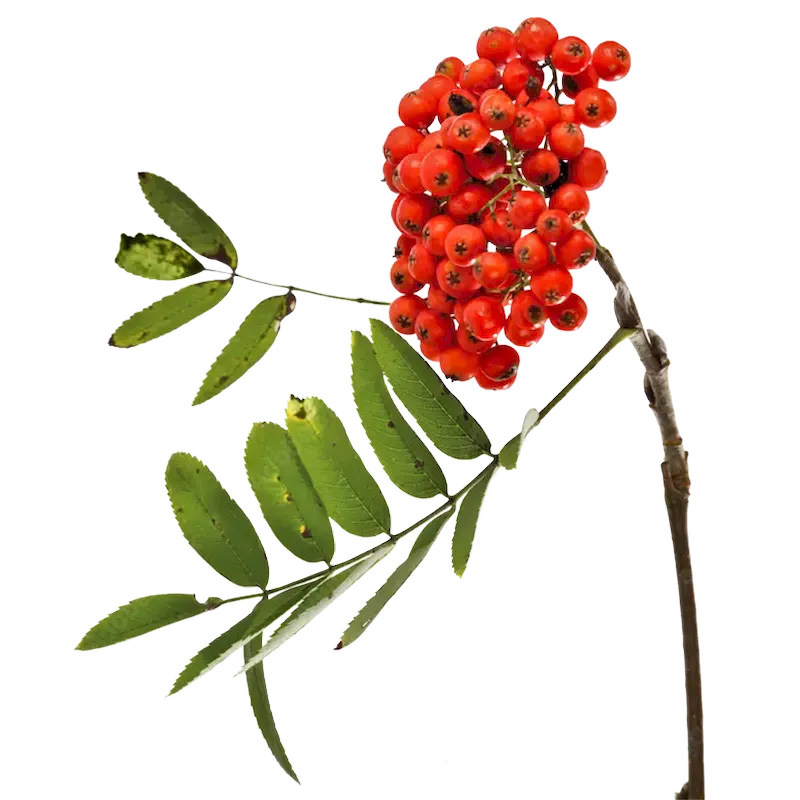
Eastern Mountain Ash, scientifically known as Sorbus aucuparia, is a deciduous tree belonging to the Rosaceae family. It is native to Europe and certain parts of Asia. The tree is recognized for its pinnate leaves and clusters of bright red berries. While not typically used as a medicinal herb, Eastern Mountain Ash has historical and cultural significance. شجرة الرماد الجبلي الشرقي، واسمها العلمي Sorbus aucuparia، هي شجرة نفضية تنتمي إلى الفصيلة الوردية. موطنها الأصلي أوروبا وأجزاء معينة من آسيا. تشتهر هذه الشجرة بأوراقها الريشية وعناقيدها من التوت الأحمر الزاهي. ورغم أنها لا تُستخدم عادةً كعشبة طبية، إلا أن لشجرة الرماد الجبلي الشرقي أهمية تاريخية وثقافية.
Categoryالفئة
• Limited traditional use for making preserves and beverages
• Limited modern research• استخدام تقليدي محدود في صناعة المربى والمشروبات
• أبحاث حديثة محدودة
Habitatالموطن
Eastern Mountain Ash is commonly found in forests, woodlands, and mountainous regions. It is not cultivated for medicinal purposes but is valued for its ornamental beauty and cultural importance. The primary parts used, though not for herbal medicine, are the berries and occasionally the bark for specific traditional applications.يُوجد شجر الرماد الجبلي الشرقي بكثرة في الغابات والأحراج والمناطق الجبلية. لا يُزرع لأغراض طبية، ولكنه يُقدّر لجماله الزخرفي وأهميته الثقافية. الأجزاء الرئيسية المستخدمة، وإن لم تكن في الطب الشعبي، هي الثمار وأحيانًا اللحاء، وذلك في تطبيقات تقليدية محددة.
Parts usedالأجزاء المستخدمة
• Berries (for making preserves and beverages)
• Bark (for specific traditional applications)• التوت (لصنع المربى والمشروبات)
• اللحاء (لاستخدامات تقليدية محددة)
Key constituentsالمكوّنات الفعّالة
• Phenolic acids in fruits and leaves: chlorogenic, neochlorogenic and cryptochlorogenic acids are usually dominant, with additional gallic, caffeic, ferulic, p‑coumaric, protocatechuic and related hydroxybenzoic/hydroxycinnamic acids.
• Flavonoids and proanthocyanidins: quercetin and kaempferol glycosides (e.g., hyperoside, isoquercitrin, rutin, quercetin‑3‑O‑sophoroside) along with catechin, epicatechin, procyanidins (B1, B2, C1) and other proanthocyanidins, often major contributors to antioxidant activity in berries, juice and pomace.
• Anthocyanins in berries: mainly cyanidin‑3‑galactoside and cyanidin‑3‑glucoside, plus minor related cyanidin glycosides responsible for the characteristic orange‑red to red fruit colour.
• Triterpenes and related compounds: ursolic acid, oleanolic acid, betulin, squalene, α/β‑amyrin, cycloartenol and other triterpenoids, particularly in fruits and bark.
• Biphenyl phytoalexins: aucuparin and derivatives (e.g., 20‑methoxyaucuparin, isoaucuparin), described as characteristic antimicrobial phenolics in rowan fruits and other Sorbus tissues.• الأحماض الفينولية في الثمار والأوراق: عادةً ما تسود أحماض الكلوروجينيك، والنيوكلوروجينيك، والكريبتوكلوروجينيك، بالإضافة إلى أحماض الغاليك، والكافيك، والفيروليك، والبارا-كوماريك، والبروتوكاتيكويك، وأحماض الهيدروكسي بنزويك/هيدروكسي سيناميك ذات الصلة.
• الفلافونويدات والبروانثوسيانيدينات: جليكوسيدات الكيرسيتين والكامفيرول (مثل: هايبروسيد، وإيزوكيرسيتين، وروتين، وكيرسيتين-3-O-سوفوروسيد) إلى جانب الكاتشين، والإبيكاتشين، والبروسيانيدينات (B1، B2، C1)، وغيرها من البروانثوسيانيدينات، والتي غالبًا ما تُساهم بشكل كبير في النشاط المضاد للأكسدة في التوت والعصير وبقايا الفاكهة.
• الأنثوسيانين في التوت: بشكل رئيسي سيانيدين-3-جالاكتوزيد وسيانيدين-3-جلوكوزيد، بالإضافة إلى كميات ضئيلة من جليكوسيدات السيانيدين ذات الصلة المسؤولة عن اللون البرتقالي المحمر المميز للفاكهة.
• الترايتيربينات والمركبات ذات الصلة: حمض الأورسوليك، وحمض الأوليانوليك، والبيتولين، والسكوالين، وألفا/بيتا-أمييرين، وسيكلوأرتينول، وغيرها من الترايتيربينويدات، خاصة في الثمار واللحاء.
• الفيتوألكسينات ثنائية الفينيل: الأوكوبارين ومشتقاته (مثل 20-ميثوكسي أوكوبارين، وإيزوأوكوبارين)، والتي توصف بأنها مركبات فينولية مضادة للميكروبات مميزة في ثمار الروان وأنسجة السوربوس الأخرى.
Researchالأبحاث
Research on Eastern Mountain Ash primarily focuses on its nutritional content, including vitamin C and antioxidants. It has limited traditional use in making preserves and beverages but is not typically studied as a medicinal herb. Modern research on its therapeutic properties is limited. تركز الأبحاث حول شجرة الرماد الجبلي الشرقي بشكل أساسي على محتواها الغذائي، بما في ذلك فيتامين ج ومضادات الأكسدة. يقتصر استخدامها التقليدي على صناعة المربى والمشروبات، ولا تُدرس عادةً كعشبة طبية. كما أن الأبحاث الحديثة حول خصائصها العلاجية محدودة.
Traditional useالاستخدام التقليدي
Eastern Mountain Ash is not typically used in modern herbal medicine. It has limited traditional use for making preserves, beverages, and culinary applications. The berries are appreciated for their role in traditional preparations. لا يُستخدم نبات الرماد الجبلي الشرقي عادةً في الطب العشبي الحديث. ويقتصر استخدامه التقليدي على صناعة المربى والمشروبات والطهي. وتُقدّر ثماره لدورها في التحضيرات التقليدية.
Current useالاستخدام الحالي
Eastern Mountain Ash berries are used for making preserves and beverages in some traditional recipes. The bark may be used for specific cultural or traditional applications, though it is not recognized as a medicinal herb in modern herbalism. تُستخدم ثمار شجرة الرماد الجبلي الشرقي في صنع المربى والمشروبات في بعض الوصفات التقليدية. وقد يُستخدم لحاء الشجرة في تطبيقات ثقافية أو تقليدية محددة، على الرغم من أنه لا يُعترف به كعشب طبي في الطب العشبي الحديث.
Preparationsالتحضيرات
Culinary, Whole (Fresh/Dried)طهي, كامل (طازج/مجفف)
Used for these conditionsيُستخدم لهذه الحالات
Adult dosageجرعة البالغين
Dosage recommendations for Eastern Mountain Ash are not applicable in the context of traditional or herbal medicine. It is used in traditional recipes and culinary preparations based on cultural and culinary preferences. لا تنطبق توصيات الجرعات الخاصة بشجرة الرماد الجبلي الشرقي في سياق الطب التقليدي أو الطب العشبي. فهي تُستخدم في الوصفات التقليدية والتحضيرات الغذائية بناءً على التفضيلات الثقافية والطهوية.
Child dosageجرعة الأطفال
Dosages for Eastern Mountain Ash are not specified in the context of traditional or herbal medicine, as it is not recognized for medicinal applications. Its usage is based on traditional culinary and cultural practices.لا تُحدد جرعات شجرة الرماد الجبلي الشرقي في سياق الطب التقليدي أو العشبي، إذ لا يُعترف بها لأغراض طبية. ويعتمد استخدامها على الممارسات الغذائية والثقافية التقليدية.
Cautionتحذيرات
Rowan (mountain ash) berries should not be eaten raw in quantity: they contain parasorbic acid, which can cause nausea, vomiting, stomach cramps and diarrhoea. Cooking, drying or freezing the berries breaks it down into harmless sorbic acid, which is why they are used in cooked preserves rather than raw. Seeds should not be crushed and eaten (trace cyanogenic content).لا ينبغي تناول ثمار الغُبَيْراء الجبلية نيئة بكميات كبيرة: فهي تحتوي على حمض الباراسوربيك الذي قد يسبب الغثيان والقيء وتقلصات المعدة والإسهال. ويؤدي طهي الثمار أو تجفيفها أو تجميدها إلى تحويله إلى حمض السوربيك غير الضار، ولهذا تُستخدم في المربى المطهوة وليست نيئة. كما يجب عدم سحق البذور وتناولها (لاحتوائها على آثار سيانوجينية).