
Introductionمقدّمة
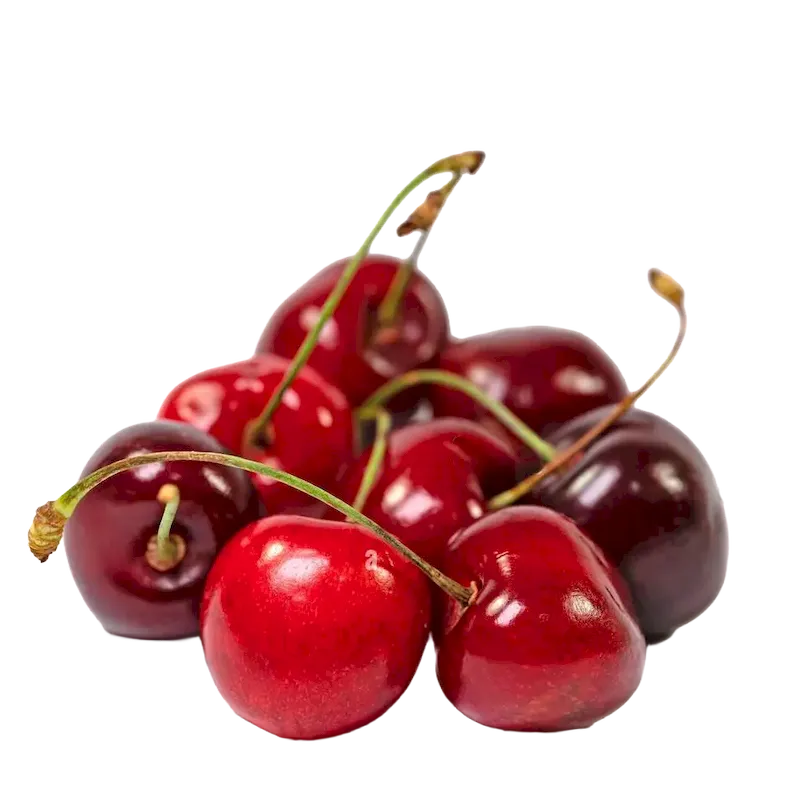
Sweet Cherry, scientifically known as Prunus avium and Prunus cerasus, comprises various species and cultivars of cherry trees that belong to the Rosaceae family. These trees are known for their delicious and sweet-tasting cherries, which are prized for their culinary use and potential health benefits.الكرز الحلو، المعروف علمياً باسم Prunus avium و Prunus cerasus، يشمل أنواعاً وأصنافاً مختلفة من أشجار الكرز التي تنتمي إلى الفصيلة الوردية. تشتهر هذه الأشجار بثمارها اللذيذة ذات المذاق الحلو، والتي تُقدّر لاستخدامها في الطهي وفوائدها الصحية المحتملة.
Categoryالفئة
• Nutrient-rich
• Potential antioxidant
• Culinary use in a variety of dishes• غني بالعناصر الغذائية
• مضاد للأكسدة محتمل
• يُستخدم في الطهي في مجموعة متنوعة من الأطباق
Habitatالموطن
Sweet Cherry trees are cultivated in regions with temperate climates, and they require well-drained soil and adequate sunlight. The sweet cherries they produce are the primary parts used and are renowned for their rich flavor and nutritional content. تُزرع أشجار الكرز الحلو في المناطق ذات المناخ المعتدل، وتتطلب تربة جيدة التصريف وضوء شمس كافٍ. يُعد الكرز الحلو الذي تنتجه هذه الأشجار الجزء الرئيسي المستخدم، وهو مشهور بنكهته الغنية وقيمته الغذائية العالية.
Parts usedالأجزاء المستخدمة
• Fruits (Sweet Cherries) • الفواكه (الكرز الحلو)
Key constituentsالمكوّنات الفعّالة
• Anthocyanins in the fruit skin and flesh: mainly cyanidin‑3‑O‑rutinoside and cyanidin‑3‑O‑glucoside, with smaller amounts of pelargonidin‑3‑O‑rutinoside and peonidin‑3‑O‑rutinoside.
• Phenolic acids: neochlorogenic acid, chlorogenic acid, p‑coumaroylquinic acid, plus gallic, syringic, p‑coumaric and ferulic acids.
• Flavonols and other flavonoids: quercetin and kaempferol glycosides and related flavonoid derivatives present in peel, pulp and by‑products.
• Seed (kernel) oil fatty acids: rich in oleic and linoleic acids, with palmitic and stearic acids as notable saturated components and a generally high unsaturated fraction.dergipark.
• Primary metabolites in the fruit: sugars (e.g., glucose, fructose, sorbitol) and organic acids (e.g., malic acid) that influence sweetness and acidity.
• الأنثوسيانين في قشرة الثمرة ولُبّها: يتكون أساسًا من سيانيدين-3-O-روتينوسيد وسيانيدين-3-O-غلوكوزيد، مع كميات أقل من بيلارجونيدين-3-O-روتينوسيد وبيونيدين-3-O-روتينوسيد.
• الأحماض الفينولية: حمض النيوكلوروجينيك، وحمض الكلوروجينيك، وحمض الكومارويل كينيك، بالإضافة إلى حمض الغاليك، وحمض السيرينجيك، وحمض الكوماريك، وحمض الفيروليك.
• الفلافونولات والفلافونويدات الأخرى: جليكوسيدات الكيرسيتين والكامفيرول ومشتقات الفلافونويد ذات الصلة الموجودة في القشرة واللب والمنتجات الثانوية.
• الأحماض الدهنية في زيت البذور (النواة): غنية بحمض الأوليك وحمض اللينوليك، مع حمض البالمتيك وحمض الستياريك كمكونات مشبعة بارزة، ونسبة عالية عمومًا من الأحماض الدهنية غير المشبعة.
• المستقلبات الأساسية في الثمرة: السكريات (مثل الجلوكوز والفركتوز والسوربيتول) والأحماض العضوية (مثل حمض الماليك) التي تؤثر على الحلاوة والحموضة.
Researchالأبحاث
Sweet Cherries are appreciated for their high nutritional value, including vitamins, antioxidants, and polyphenols. They are primarily used in culinary preparations and are valued for their delicious taste and potential health benefits.يُقدّر الكرز الحلو لقيمته الغذائية العالية، بما في ذلك الفيتامينات ومضادات الأكسدة والبوليفينولات. ويُستخدم بشكل أساسي في تحضير الطعام، ويُشتهر بمذاقه اللذيذ وفوائده الصحية المحتملة.
Traditional useالاستخدام التقليدي
Sweet Cherries are widely used in culinary applications, including pies, jams, desserts, and fresh consumption. They are not typically used as herbal remedies but contribute to overall nutrition and well-being when included in the diet. يُستخدم الكرز الحلو على نطاق واسع في الطهي، بما في ذلك الفطائر والمربى والحلويات، كما يُستهلك طازجًا. ولا يُستخدم عادةً كعلاج عشبي، ولكنه يُساهم في التغذية العامة والصحة عند إضافته إلى النظام الغذائي.
Current useالاستخدام الحالي
Sweet Cherries are consumed fresh or processed into various culinary products. They are used to make jams, preserves, pies, and are enjoyed as a nutritious and tasty snack. يُستهلك الكرز الحلو طازجاً أو يُصنع منه منتجات طهي متنوعة. يُستخدم في صنع المربى والمحفوظات والفطائر، ويُستمتع به كوجبة خفيفة مغذية ولذيذة.
Preparationsالتحضيرات
Culinaryطهي
Used for these conditionsيُستخدم لهذه الحالات
Adult dosageجرعة البالغين
The consumption of sweet cherries as part of a balanced diet is generally safe for adults. It is essential to include a variety of fruits and vegetables in the diet for overall health and nutrition.يُعدّ تناول الكرز الحلو كجزء من نظام غذائي متوازن آمناً بشكل عام للبالغين. ومن الضروري إدراج مجموعة متنوعة من الفواكه والخضراوات في النظام الغذائي للحفاظ على الصحة العامة والتغذية السليمة.
Child dosageجرعة الأطفال
No specific herbal dosage is applicable to sweet cherries when consumed as food. The recommended daily intake may vary depending on individual dietary needs and preferences. لا توجد جرعة عشبية محددة تنطبق على الكرز الحلو عند تناوله كغذاء. قد يختلف المدخول اليومي الموصى به تبعاً للاحتياجات والتفضيلات الغذائية الفردية.
Cautionتحذيرات
Sweet cherries are considered safe for most people when consumed as part of a balanced diet. However, individuals with allergies to stone fruits (e.g., almonds, apricots) should exercise caution. People with specific medical conditions or dietary restrictions should consult a healthcare provider or dietitian. يُعتبر الكرز الحلو آمناً لمعظم الناس عند تناوله كجزء من نظام غذائي متوازن. مع ذلك، ينبغي على الأشخاص الذين يعانون من حساسية تجاه الفواكه ذات النواة (مثل اللوز والمشمش) توخي الحذر. كما يُنصح الأشخاص الذين يعانون من حالات طبية محددة أو لديهم قيود غذائية باستشارة طبيب أو أخصائي تغذية.