
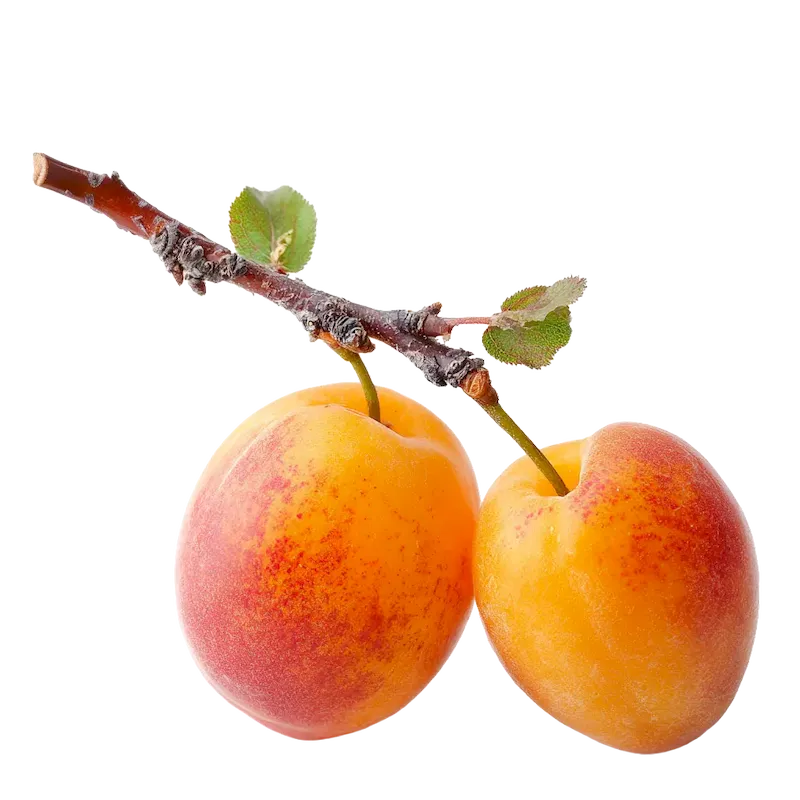
Introductionمقدّمة
Apricot, scientifically known as Prunus armeniaca, is a fruit-bearing tree belonging to the Rosaceae family. It is known for its sweet and nutritious apricot fruits, which have been consumed for their culinary and potential medicinal properties. المشمش، المعروف علمياً باسم Prunus armeniaca، هو شجرة مثمرة تنتمي إلى الفصيلة الوردية. تشتهر بثمارها الحلوة والمغذية، والتي تُستهلك لفوائدها الغذائية وخصائصها الطبية المحتملة.
Categoryالفئة
• Nutrient-rich
• Potential antioxidant
• Culinary use for a variety of dishes• غني بالعناصر الغذائية
• مضاد للأكسدة محتمل
• يُستخدم في الطهي في مجموعة متنوعة من الأطباق
Habitatالموطن
Apricot trees are cultivated in various regions with temperate climates, and they require well-drained soil and ample sunlight. The apricot fruits are the primary part used, and they are valued for their delicious taste and nutritional content.تُزرع أشجار المشمش في مناطق مختلفة ذات مناخ معتدل، وتتطلب تربة جيدة التصريف وضوء شمس وافر. تُعد ثمار المشمش الجزء الرئيسي المستخدم، وهي تُقدّر لمذاقها اللذيذ وقيمتها الغذائية العالية.
Parts usedالأجزاء المستخدمة
• Fruits (Apricot flesh and skin) • الفواكه (لب وقشر المشمش)
Key constituentsالمكوّنات الفعّالة
• Kernel oil fatty acids: mainly oleic acid and linoleic acid, with smaller amounts of palmitic, stearic, palmitoleic and trace linolenic acids.
• Cyanogenic glycosides (kernels): amygdalin as the major cyanogenic glycoside, with other related cyanogenic compounds also present in the seed.
• Fruit carotenoids: β‑carotene as a principal carotenoid, along with lutein, phytoene, phytofluene, β‑cryptoxanthin and lycopene, contributing to color and antioxidant activity.
• Polyphenols and phenolic acids (fruit and other parts): various phenolic compounds, including gallic and 3,4‑dihydroxybenzoic acids, plus broader polyphenol classes important for antioxidant capacity.
• Sugars and organic acids (fruit): sucrose and other sugars, and organic acids such as malic acid as major primary metabolites influencing taste and acidity.
• Minor components in oil: tocopherols (vitamin E), phytosterols and other unsaponifiable matter contributing to stability and skin‑benefit properties in cosmetic use.
• الأحماض الدهنية في زيت النواة: تتكون أساسًا من حمض الأوليك وحمض اللينوليك، مع كميات أقل من حمض البالمتيك، وحمض الستياريك، وحمض البالميتوليك، وآثار من حمض اللينولينيك.
• جليكوسيدات السيانوجين (النواة): الأميغدالين هو جليكوسيد السيانوجين الرئيسي، بالإضافة إلى مركبات سيانوجينية أخرى ذات صلة موجودة أيضًا في البذرة.
• كاروتينات الثمرة: بيتا كاروتين هو الكاروتينويد الرئيسي، إلى جانب اللوتين، والفيتوين، والفيتوفلوين، وبيتا كريبتوكسانثين، والليكوبين، والتي تساهم في اللون والنشاط المضاد للأكسدة.
• البوليفينولات والأحماض الفينولية (الثمرة وأجزاء أخرى): مركبات فينولية متنوعة، بما في ذلك حمض الغاليك وحمض 3،4-ثنائي هيدروكسي بنزويك، بالإضافة إلى فئات أوسع من البوليفينولات المهمة للقدرة المضادة للأكسدة.
• السكريات والأحماض العضوية (الثمرة): السكروز وسكريات أخرى، وأحماض عضوية مثل حمض الماليك هي مستقلبات أولية رئيسية تؤثر على الطعم والحموضة.
• المكونات الثانوية في الزيت: التوكوفيرولات (فيتامين هـ)، والفيستوستيرولات، وغيرها من المواد غير القابلة للتصبن التي تساهم في الاستقرار وخصائص فوائد البشرة في الاستخدام التجميلي.
Researchالأبحاث
While apricot fruit itself is not a traditional herbal remedy, it is appreciated for its high nutritional value, including vitamins, minerals, and carotenoids. It is used primarily for culinary purposes and as a source of natural antioxidants. على الرغم من أن فاكهة المشمش ليست علاجاً عشبياً تقليدياً، إلا أنها تحظى بتقدير كبير لقيمتها الغذائية العالية، بما في ذلك الفيتامينات والمعادن والكاروتينات. وتُستخدم بشكل أساسي لأغراض الطهي وكمصدر لمضادات الأكسدة الطبيعية.
Published researchأبحاث منشورة
↗ Armeniacae semen amarum: a review on its botany, phytochemistry, pharmacology, clinical application, toxicology and pharmacokinetics↗ Anti-inflammatory effect of Prunus armeniaca L. (Apricot) extracts ameliorates TNBS-induced ulcerative colitis in rats↗ Prunus Armeniaca L. Seed Extract and Its Amygdalin Containing Fraction Induced Mitochondrial-Mediated Apoptosis and Autophagy in Liver CarcinogenesisTraditional useالاستخدام التقليدي
Apricot fruits are commonly used in culinary preparations, including jams, preserves, desserts, and beverages. They are not typically used as herbal remedies but contribute to overall nutrition and well-being when included in the diet. تُستخدم ثمار المشمش بكثرة في تحضير الأطعمة، بما في ذلك المربى والمحفوظات والحلويات والمشروبات. ولا تُستخدم عادةً كعلاجات عشبية، ولكنها تُساهم في التغذية العامة والصحة عند إضافتها إلى النظام الغذائي.
Current useالاستخدام الحالي
Apricot fruits are consumed fresh or processed into various culinary products. Their uses include making jams, juices, dried fruits (apricot dried), and incorporating them into a variety of dishes for their flavor and nutritional benefits. تُستهلك ثمار المشمش طازجة أو تُصنع منها منتجات طهي متنوعة. تشمل استخداماتها صناعة المربى والعصائر والفواكه المجففة (المشمش المجفف)، وإضافتها إلى أطباق مختلفة لما لها من نكهة وفوائد غذائية.
Preparationsالتحضيرات
Culinaryطهي
Used for these conditionsيُستخدم لهذه الحالات
Adult dosageجرعة البالغين
The consumption of apricot fruits as part of a balanced diet is generally safe for adults. It is essential to include a variety of fruits and vegetables in the diet for overall health and nutrition. يُعدّ تناول ثمار المشمش كجزء من نظام غذائي متوازن آمناً بشكل عام للبالغين. ومن الضروري إدراج مجموعة متنوعة من الفواكه والخضراوات في النظام الغذائي للحفاظ على الصحة العامة والتغذية السليمة.
Child dosageجرعة الأطفال
No specific herbal dosage is applicable to apricot fruits when consumed as food. The recommended daily intake may vary depending on individual dietary needs and preferences.لا توجد جرعة عشبية محددة تنطبق على ثمار المشمش عند تناولها كغذاء. قد يختلف المدخول اليومي الموصى به تبعًا للاحتياجات الغذائية والتفضيلات الفردية.
Cautionتحذيرات
The apricot flesh (the part described here) is safe as a food. IMPORTANT: apricot kernels/seeds are NOT safe to eat freely — they contain amygdalin, a cyanogenic glycoside that releases cyanide when metabolised. Eating bitter apricot kernels can cause serious, potentially fatal cyanide poisoning; EFSA found that eating more than about 3 small kernels takes an adult over the acute safe level, and even a fraction of a kernel can do so for a small child, so kernels should never be given to children. 'Laetrile' / 'vitamin B17' apricot-kernel products are not a proven cancer treatment and are hazardous. Anyone with a stone-fruit allergy should also use caution with the fruit.لبّ (لحم) المشمش المذكور هنا آمن كغذاء. تنبيه مهم: بذور (نوى) المشمش ليست آمنة للأكل بكثرة، فهي تحتوي على الأميغدالين، وهو جليكوسيد سيانوجيني يُطلق السيانيد عند استقلابه. قد يؤدي تناول نوى المشمش المرّة إلى تسمم خطير بالسيانيد وربما مميت؛ وجدت الهيئة الأوروبية لسلامة الأغذية (EFSA) أن تناول أكثر من نحو 3 نوى صغيرة يتجاوز الحد الآمن الحاد للبالغ، وأن جزءاً بسيطاً من نواة واحدة قد يكفي لتجاوزه عند الطفل الصغير، لذا يجب عدم إعطائها للأطفال إطلاقاً. منتجات "اللايتريل" أو "فيتامين B17" المستخلصة من نوى المشمش ليست علاجاً مثبتاً للسرطان وهي خطيرة. كما يجب على من لديهم حساسية من الفواكه ذات النواة توخي الحذر مع الثمرة.