
Introductionمقدّمة
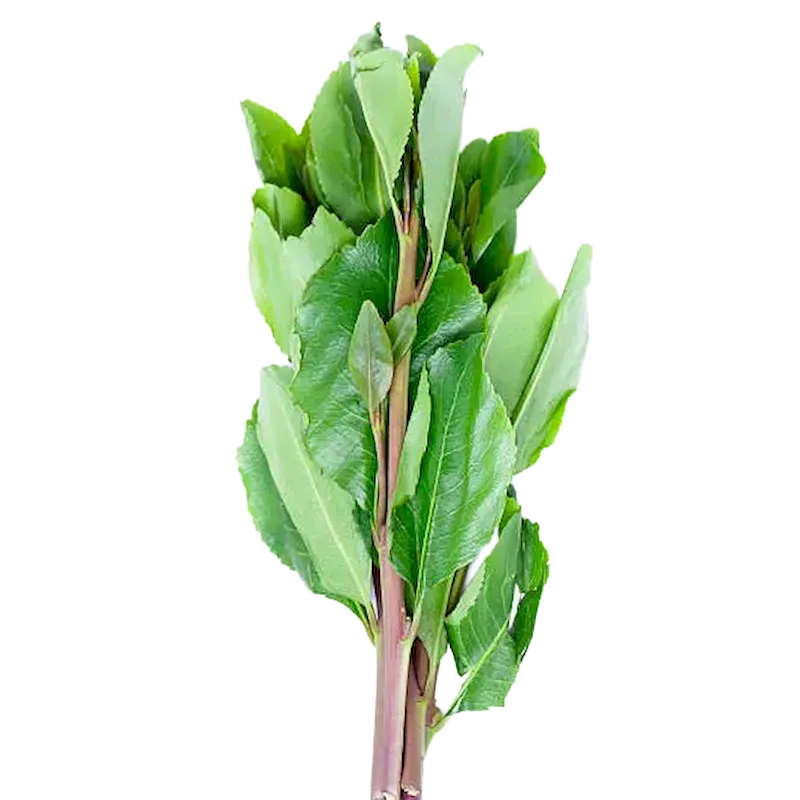
Khat, scientifically known as Catha edulis, is an evergreen flowering shrub native to the Horn of Africa and the Arabian Peninsula. It belongs to the Celastraceae family and is well-known for its leaves, which contain psychoactive compounds. Khat has a long history of traditional use for its stimulating effects and is culturally significant in some regions.القات، المعروف علميًا باسم Catha edulis، شجيرة مزهرة دائمة الخضرة موطنها الأصلي القرن الأفريقي وشبه الجزيرة العربية. ينتمي إلى الفصيلة السيلستراسية، ويشتهر بأوراقه التي تحتوي على مركبات ذات تأثير نفسي. للقات تاريخ طويل من الاستخدام التقليدي لتأثيراته المنشطة، وله أهمية ثقافية في بعض المناطق.
Categoryالفئة
• Stimulant
• Appetite suppressant
• Traditional use for social and cultural purposes• منبه
• مثبط للشهية
• الاستخدام التقليدي للأغراض الاجتماعية والثقافية
Habitatالموطن
Khat grows in regions with warm climates and is often cultivated in Ethiopia, Yemen, and other parts of East Africa and the Middle East. The leaves and young shoots of the Khat plant are harvested for their psychoactive alkaloids, including cathinone and cathine. These compounds have stimulant properties and are chewed or brewed into tea for their effects. ينمو القات في المناطق ذات المناخ الدافئ، ويُزرع بكثرة في إثيوبيا واليمن وأجزاء أخرى من شرق أفريقيا والشرق الأوسط. تُحصد أوراق وبراعم نبات القات الصغيرة لاستخلاص قلويداتها ذات التأثير النفسي، بما في ذلك الكاثينون والكاثين. تتميز هذه المركبات بخصائصها المنشطة، وتُستخدم في مضغها أو غليها لتحضير الشاي والاستفادة من تأثيرها.
Parts usedالأجزاء المستخدمة
• Leaves
• Young Shoots• الأوراق
• البراعم الصغيرة
Key constituentsالمكوّنات الفعّالة
• Cathinone (phenylalkylamine alkaloid ~0.2–1.2% fresh leaves — primary stimulant; CNS stimulant, sympathomimetic; controlled substance)
• Cathine/norpseudoephedrine (alkaloid — mild stimulant; less potent than cathinone)
• Norephedrine (alkaloid — adrenergic stimulant)
• Tannins (~8–15% — astringent, antimicrobial)
• Flavonoids (quercetin, kaempferol, rutin — antioxidant, anti-inflammatory)
• Vitamins (vitamin C, vitamin A — nutritive)
• Minerals (calcium, iron, potassium — nutritive)
• Caution: controlled/restricted in many countries; addictive potential• الكاثينون (قلويد فينيل ألكيلامين، حوالي 0.2-1.2% من الأوراق الطازجة - منبه رئيسي؛ منبه للجهاز العصبي المركزي، محاكي للجهاز العصبي الودي؛ مادة خاضعة للرقابة)
• الكاثين/نوربسودوإيفيدرين (قلويد - منبه خفيف؛ أقل فعالية من الكاثينون)
• النورإيفيدرين (قلويد - منبه أدرينالي)
• التانينات (حوالي 8-15% - قابضة، مضادة للميكروبات)
• الفلافونويدات (كيرسيتين، كامفيرول، روتين - مضاد للأكسدة، مضاد للالتهابات)
• الفيتامينات (فيتامين ج، فيتامين أ - مغذية)
• المعادن (الكالسيوم، الحديد، البوتاسيوم - مغذية)
• تحذير: خاضع للرقابة/مقيد في العديد من البلدان؛ احتمالية الإدمان
Researchالأبحاث
Research on Khat has focused on its psychoactive alkaloids, particularly cathinone and cathine, and their stimulant effects. Khat is traditionally used for its stimulating properties and is culturally significant in social gatherings and rituals. ركزت الأبحاث على نبات القات على قلويداته ذات التأثير النفسي، وخاصة الكاثينون والكاثين، وتأثيراتها المنشطة. يُستخدم القات تقليديًا لخصائصه المنشطة، وله أهمية ثقافية في التجمعات الاجتماعية والطقوس.
Published researchأبحاث منشورة
↗ Conflicting reports on the role of the glycemic effect of Catha edulis (Khat): A systematic review and meta-analysis↗ Khat (Catha Edulis) as a Risk Factor for Cardiovascular Disorders: Systematic Review and Meta-Analysis↗ Toxic effect of khat (Catha edulis) on memory: Systematic review and meta-analysisTraditional useالاستخدام التقليدي
Khat leaves and young shoots are traditionally chewed or brewed into tea for their stimulating effects. It is commonly used in social settings, such as gatherings and celebrations, and is an integral part of some cultural practices.تُستخدم أوراق القات وبراعمها الصغيرة تقليدياً في مضغها أو نقعها لصنع الشاي لما لها من تأثيرات منشطة. ويُستخدم هذا الشاي بكثرة في المناسبات الاجتماعية، مثل التجمعات والاحتفالات، وهو جزء لا يتجزأ من بعض الممارسات الثقافية.
Current useالاستخدام الحالي
Khat leaves are typically chewed, and the juice is swallowed for a prolonged stimulating effect. Alternatively, Khat can be brewed into a tea for consumption. The traditional use of Khat is primarily for its stimulating and appetite-suppressing properties. تُستخدم أوراق القات عادةً للمضغ، ويُبتلع عصيرها للحصول على تأثير مُنشط طويل الأمد. كما يُمكن تحضير القات كشاي للشرب. ويُستخدم القات تقليديًا بشكل أساسي لخصائصه المُنشطة والمُثبطة للشهية.
Preparationsالتحضيرات
Juice, Teaشاي, عصير
Used for these conditionsيُستخدم لهذه الحالات
Adult dosageجرعة البالغين
The dosage of Khat can vary based on individual tolerance and cultural practices. It is typically chewed or brewed into tea in amounts that produce desired stimulating effects. The duration and intensity of these effects can vary. تختلف جرعة القات باختلاف قدرة التحمل الفردية والممارسات الثقافية. وعادةً ما يُمضغ أو يُنقع كشاي بكميات تُحقق التأثيرات المنشطة المطلوبة. وتختلف مدة هذه التأثيرات وشدتها.
Child dosageجرعة الأطفال
Khat is not recommended for children due to its stimulant properties and potential effects on the developing nervous system. لا يُنصح بتناول القات للأطفال بسبب خصائصه المنشطة وتأثيراته المحتملة على الجهاز العصبي النامي.
Cautionتحذيرات
Khat has several potential risks and adverse effects, including addiction, cardiovascular issues, anxiety, and sleep disturbances. Its use is illegal in many countries, and it should be used with caution, if at all, due to its psychoactive nature. Pregnant and breastfeeding individuals should avoid Khat, and it may interact with certain medications and medical conditions.للقات مخاطر وآثار جانبية محتملة عديدة، منها الإدمان، ومشاكل القلب والأوعية الدموية، والقلق، واضطرابات النوم. يُعدّ استخدامه غير قانوني في العديد من البلدان، ويجب استخدامه بحذر شديد، إن لزم الأمر، نظراً لتأثيره النفسي. ينبغي على الحوامل والمرضعات تجنب القات، وقد يتفاعل مع بعض الأدوية والحالات الطبية.
Pregnancy & nursingالحمل والرضاعة
Avoid during Pregnancy/Nursingيمنع أثناء الحمل والرضاعة