Introductionمقدّمة
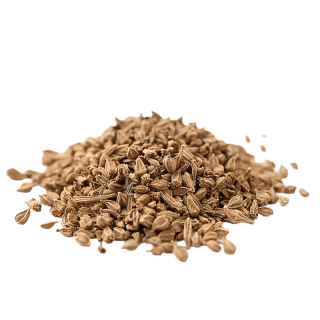
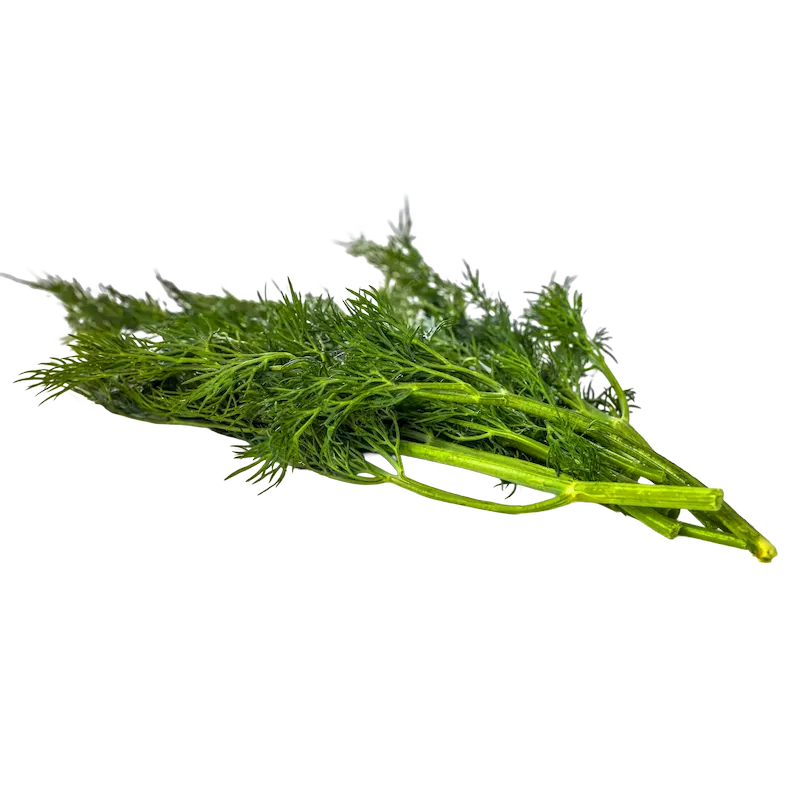
Dill, scientifically known as Anethum graveolens, is an annual herb native to the Mediterranean region. It is known for its feathery leaves and aromatic seeds, both of which are used in culinary and medicinal applications.الشبت، المعروف علمياً باسم Anethum graveolens، هو عشب حولي موطنه الأصلي منطقة البحر الأبيض المتوسط. ويشتهر بأوراقه الريشية وبذوره العطرية، وكلاهما يستخدم في الطهي والطب.
Categoryالفئة
• Potential digestive aid
• Carminative (relieves gas)
• Potential antimicrobial
• Culinary use• مُساعد محتمل للهضم
• طارد للغازات
• مضاد محتمل للميكروبات
• استخدامات في الطهي
Habitatالموطن
Dill is typically cultivated in gardens and farms in various regions worldwide. It thrives in well-drained soil and full sun. Both the leaves (dill weed) and seeds are harvested for their culinary and potential medicinal uses. يُزرع الشبت عادةً في الحدائق والمزارع في مناطق مختلفة حول العالم. وينمو جيداً في التربة جيدة التصريف وتحت أشعة الشمس المباشرة. تُحصد أوراق الشبت وبذوره لاستخدامها في الطهي ولأغراض طبية محتملة.
Parts usedالأجزاء المستخدمة
• Leaves (dill weed)
• Seeds• أوراق (الشبت)
• بذور
Key constituentsالمكوّنات الفعّالة
• Carvone (~40–60% essential oil — carminative, antispasmodic, antimicrobial)
• Limonene (~30–40% essential oil — carminative, antifungal, digestive)
• Alpha-phellandrene (~10–20% — aromatic, antimicrobial)
• Essential oils (2–4% seeds; 0.3–0.6% leaves — digestive, carminative)
• Flavonoids (quercetin, isorhamnetin, kaempferol — antioxidant, anti-inflammatory)
• Phenolic acids (caffeic acid, chlorogenic acid — antioxidant)
• Coumarins (umbelliferone — antispasmodic)
• Vitamins (vitamin C, vitamin A — nutritive)
• Minerals (calcium, iron, manganese, potassium — nutritive)• كارفون (حوالي 40-60% زيت عطري - طارد للغازات، مضاد للتشنج، مضاد للميكروبات)
• ليمونين (حوالي 30-40% زيت عطري - طارد للغازات، مضاد للفطريات، مساعد للهضم)
• ألفا-فيلاندرين (حوالي 10-20% - عطري، مضاد للميكروبات)
• زيوت عطرية (2-4% بذور؛ 0.3-0.6% أوراق - مساعد للهضم، طارد للغازات)
• فلافونويدات (كيرسيتين، إيزورامنيتين، كامفيرول - مضاد للأكسدة، مضاد للالتهابات)
• أحماض فينولية (حمض الكافيين، حمض الكلوروجينيك - مضاد للأكسدة)
• كومارين (أومبليفيرون - مضاد للتشنج)
• فيتامينات (فيتامين ج، فيتامين أ - مغذي)
• معادن (كالسيوم، حديد، منغنيز، بوتاسيوم - مغذي)
Researchالأبحاث
Research on Dill has primarily focused on its potential digestive and antimicrobial properties. It is widely used in culinary dishes and traditional remedies for various purposes. ركزت الأبحاث على الشبت بشكل أساسي على خصائصه الهضمية والمضادة للميكروبات. ويُستخدم على نطاق واسع في أطباق الطهي والعلاجات التقليدية لأغراض متنوعة.
Published researchأبحاث منشورة
↗ The effects of Anethum graveolens (dill) supplementation on lipid profile and glycemic control: a systematic review and meta-analysis of randomized controlled trials↗ Anethum graveolens L. (Dill) Effect on Human Lipid Profile: An Updated Systematic Review↗ Anethum graveolens and hyperlipidemia: A randomized clinical trialTraditional useالاستخدام التقليدي
Traditionally, both the leaves (dill weed) and seeds of Dill are used for culinary purposes. Dill is known for its unique flavor and aroma.تقليدياً، تُستخدم أوراق الشبت وبذوره في الطهي. ويشتهر الشبت بنكهته ورائحته المميزتين.
Current useالاستخدام الحالي
Dill is used in a variety of culinary dishes, including pickles, salads, and sauces. It is also used as a flavoring agent in foods and beverages. In traditional medicine, it is used for digestive support and as a carminative. يُستخدم الشبت في العديد من الأطباق، بما في ذلك المخللات والسلطات والصلصات. كما يُستخدم كمنكه في الأطعمة والمشروبات. وفي الطب التقليدي، يُستخدم لدعم الهضم وطرد الغازات.
Preparationsالتحضيرات
Culinary, Whole (Fresh/Dried)طهي, كامل (طازج/مجفف)
Used for these conditionsيُستخدم لهذه الحالات
Adult dosageجرعة البالغين
Dosage recommendations for Dill may vary based on culinary preferences and specific herbal preparations. It is generally used in appropriate quantities in cooking and herbal remedies. قد تختلف توصيات الجرعات للشبت بناءً على التفضيلات الغذائية وأنواع المستحضرات العشبية المستخدمة. ويُستخدم عمومًا بكميات مناسبة في الطبخ والعلاجات العشبية.
Child dosageجرعة الأطفال
Dosages for Dill are not typically specified, as it is consumed based on individual preferences in culinary dishes. Herbal infusions or tinctures may be used for digestive support as needed. لا تُحدد جرعات الشبت عادةً، إذ يُستهلك بناءً على التفضيلات الشخصية في الأطباق. ويمكن استخدام منقوعات أو صبغات عشبية لدعم الهضم عند الحاجة.
Cautionتحذيرات
Dill is generally considered safe when used in culinary quantities. However, if using Dill as a medicinal herb, consult with a qualified herbalist or healthcare provider, especially if you have underlying health conditions or are pregnant.يُعتبر الشبت آمناً بشكل عام عند استخدامه بكميات معتدلة في الطهي. مع ذلك، إذا كنت ستستخدم الشبت كعشبة طبية، فاستشر أخصائي أعشاب مؤهلاً أو طبيباً، خاصةً إذا كنت تعاني من مشاكل صحية مزمنة أو كنتِ حاملاً.
Pregnancy & nursingالحمل والرضاعة
Avoid during Pregnancy/Nursingيمنع أثناء الحمل والرضاعة